
Chinese
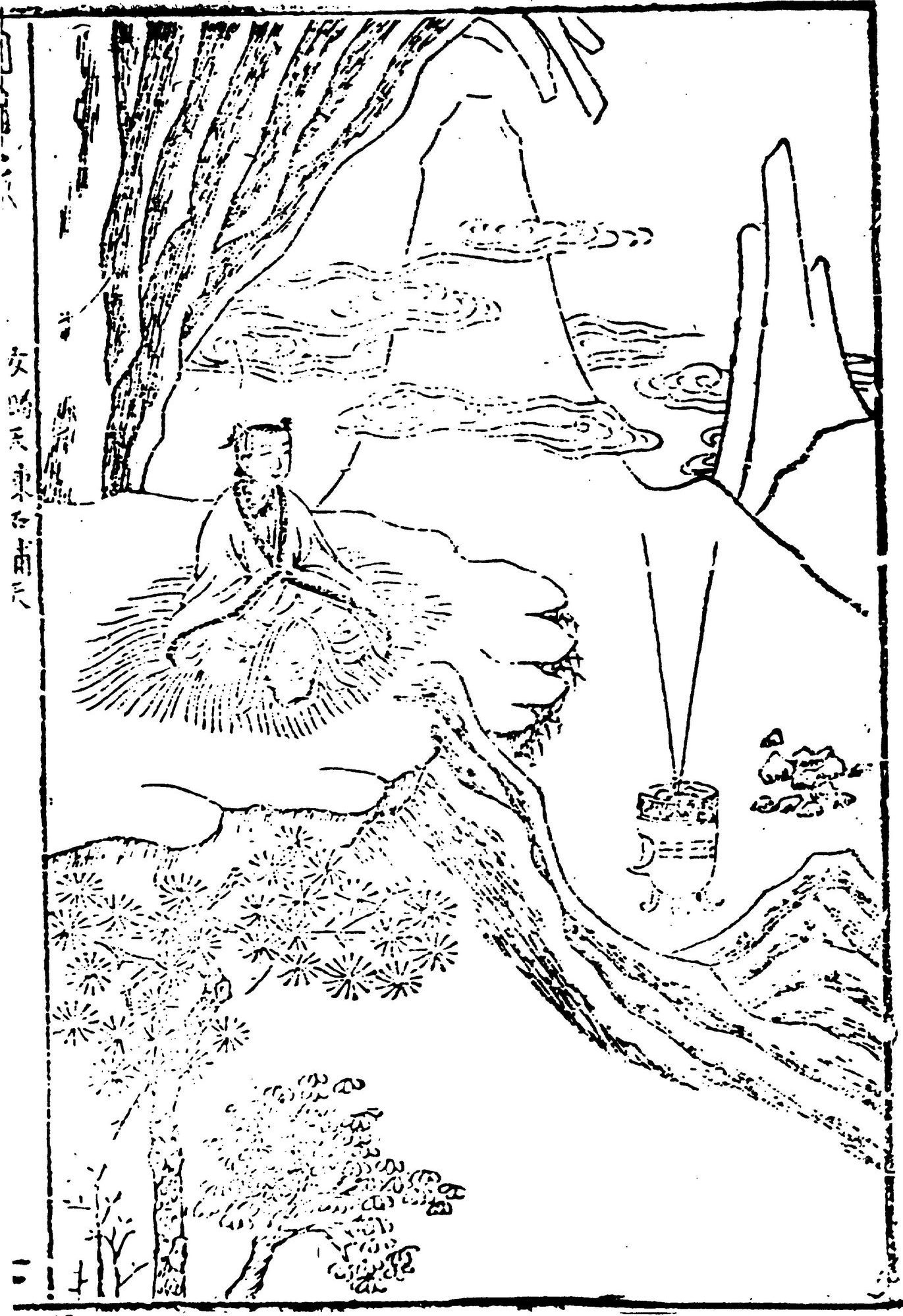
Nüwa Mends the Heavens
The four pillars of the sky had snapped and the world was drowning in fire and flood; a serpent-bodied goddess answered not with thunderbolts but with a forge, a butchered turtle, and a heap of burnt reeds.
Divine and heroic warfare, strife, vengeance.
The four pillars of the sky had snapped and the world was drowning in fire and flood; a serpent-bodied goddess answered not with thunderbolts but with a forge, a butchered turtle, and a heap of burnt reeds.
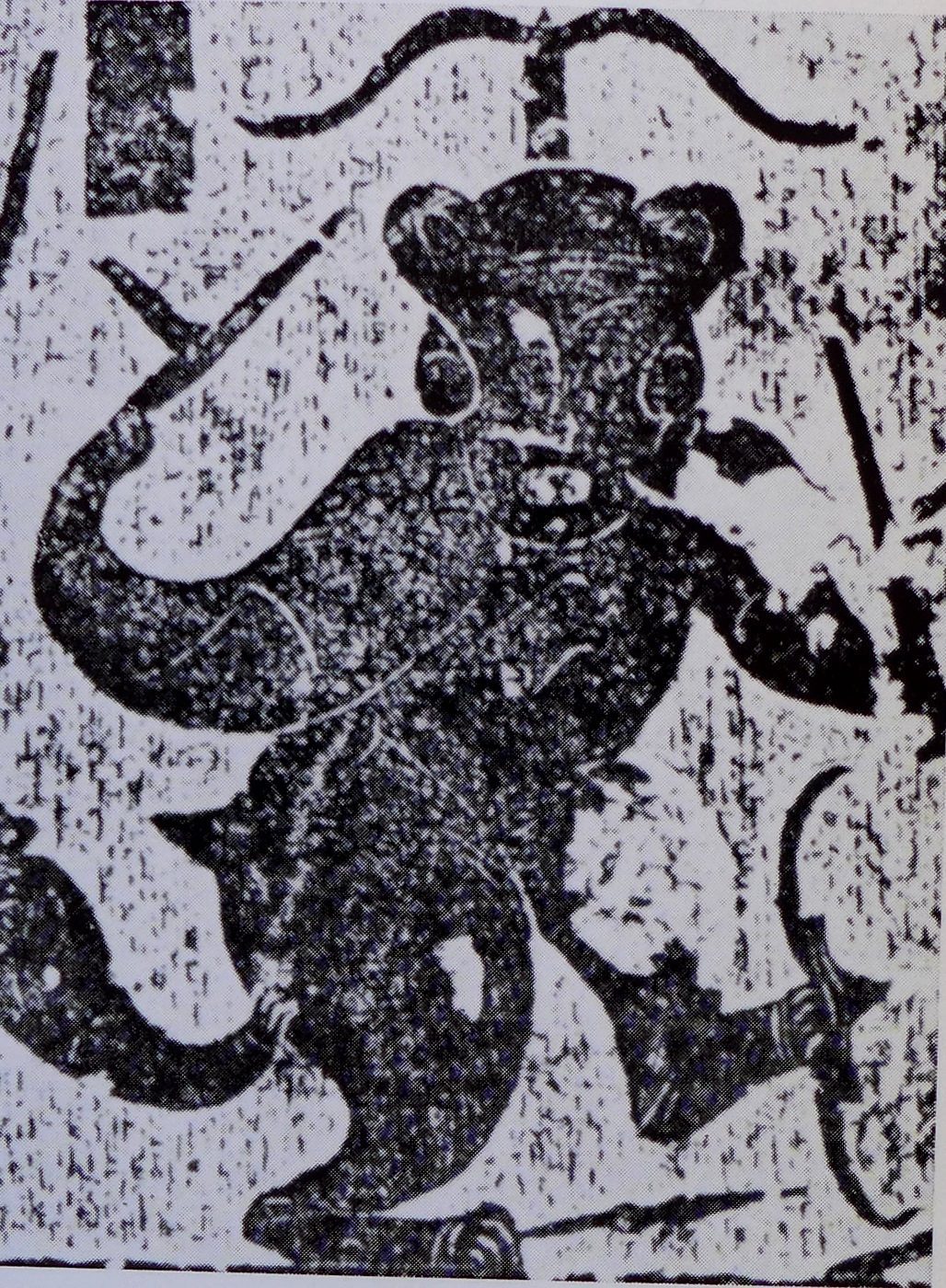
When the storm-monster Chiyou summoned the Wind Earl and the Rain Master against the young sovereign of heaven, the war for mastery of the world was decided not by armies but by a hoarded flood, a drought-goddess in blue-green, and a drum cut from the hide of a one-legged thunder-ox.
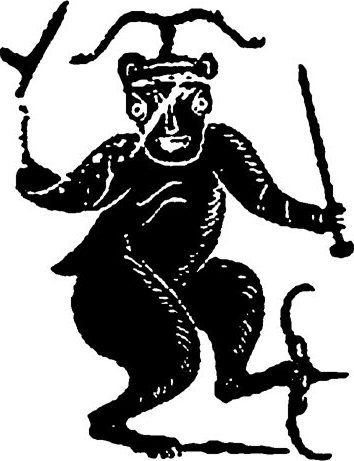
Dig in the fields of the old north country and you may turn up a skull hard as bronze, or a tooth two inches long that no hammer will break: the bones, people said, of the horned god of war the Yellow Emperor could kill but never quite be rid of.
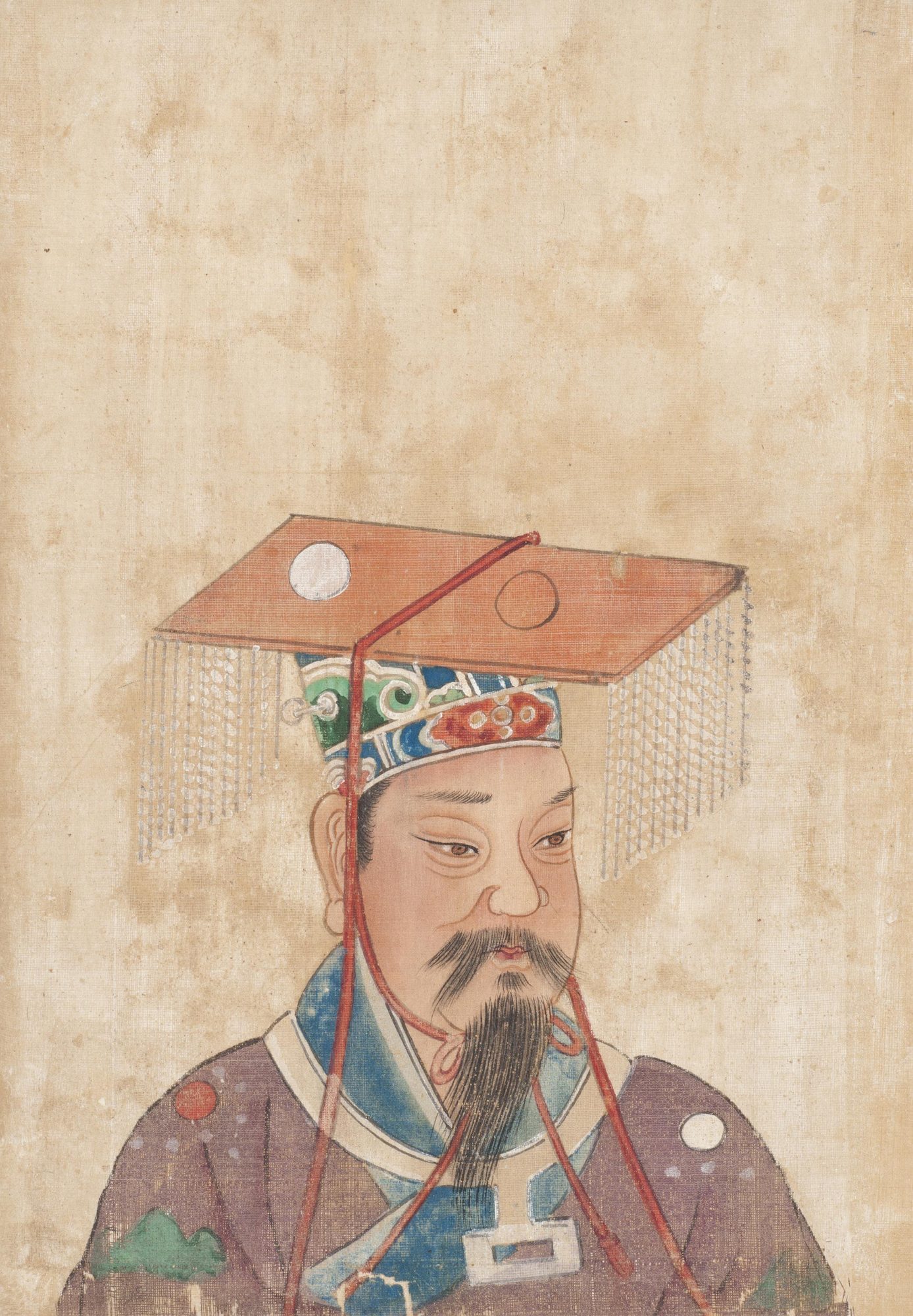
When the old order collapsed and the fiercest of the warlords could not be subdued, a man who could speak from the cradle trained in shield and dagger-axe, broke the rebel Chiyou on the wilderness of Zhuolu, and was raised up as the first Son of Heaven of a civilised world.
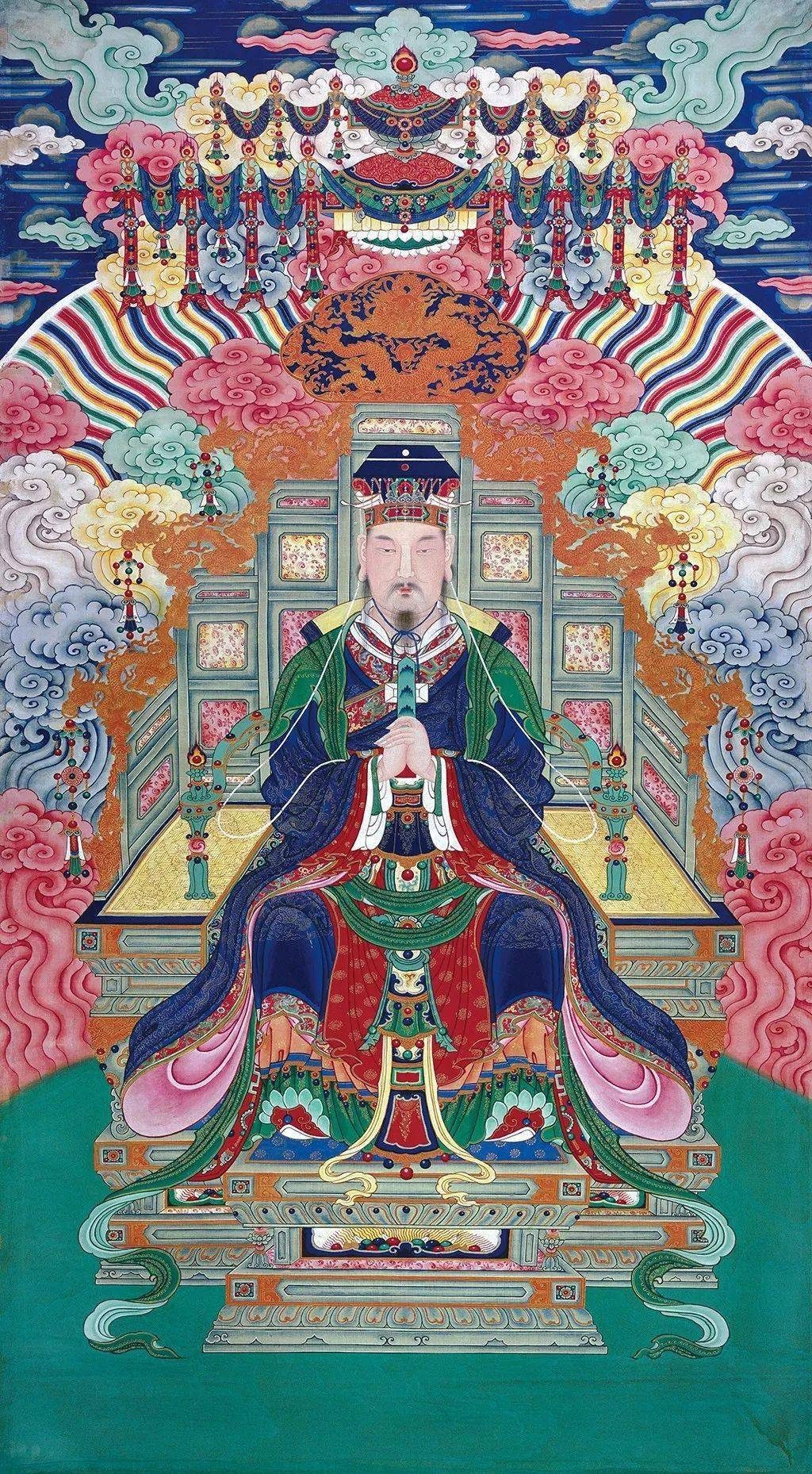
Supreme sovereign of Heaven and head of a celestial civil service, whose whole war machine could not subdue one stone monkey, and who had to send west for the Buddha to save his own throne.
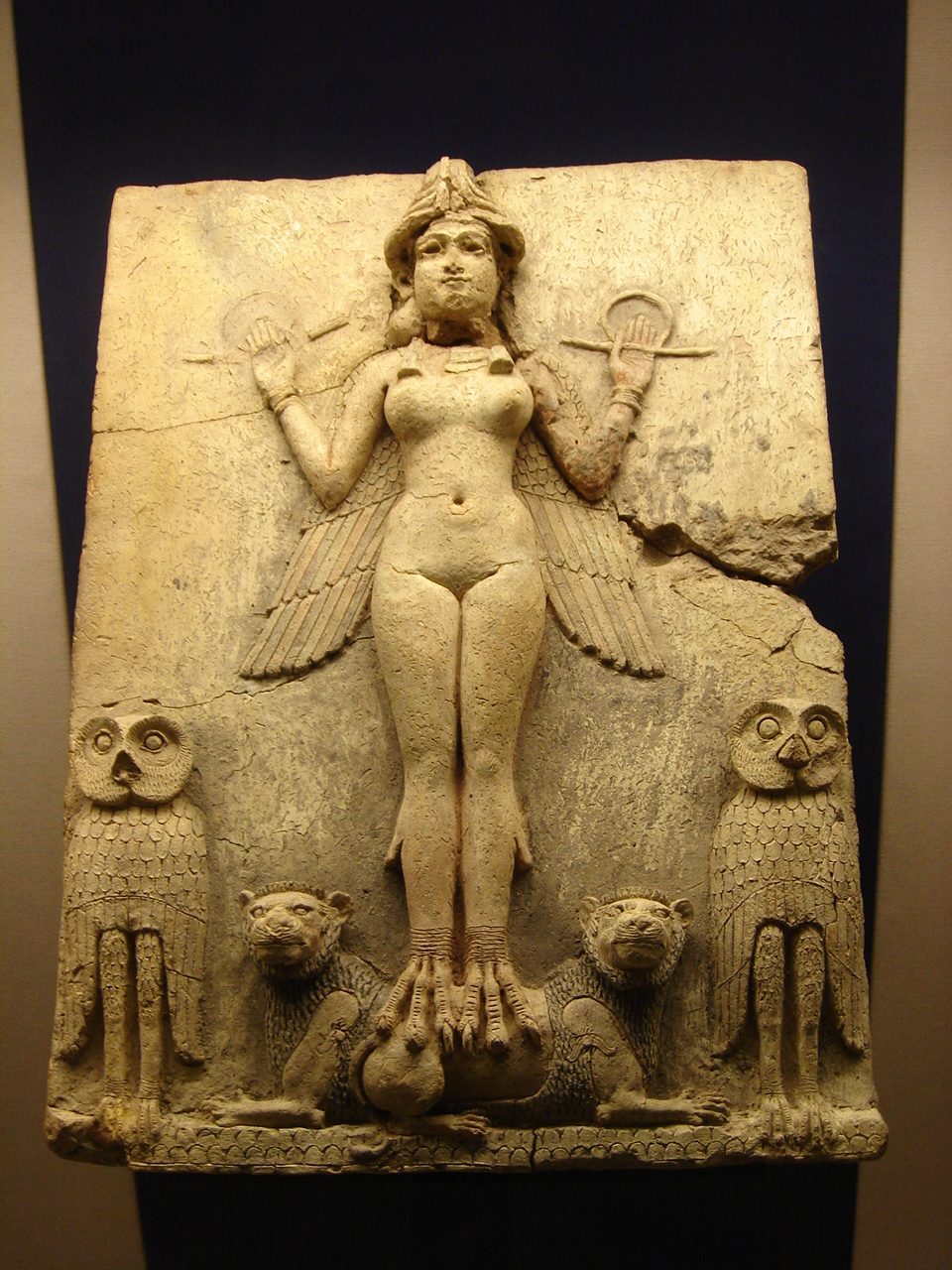
Goddess of desire and of war in a single body, the morning star who walked down alive into the land of no return: boldest of the great gods, and the most dangerous to love.
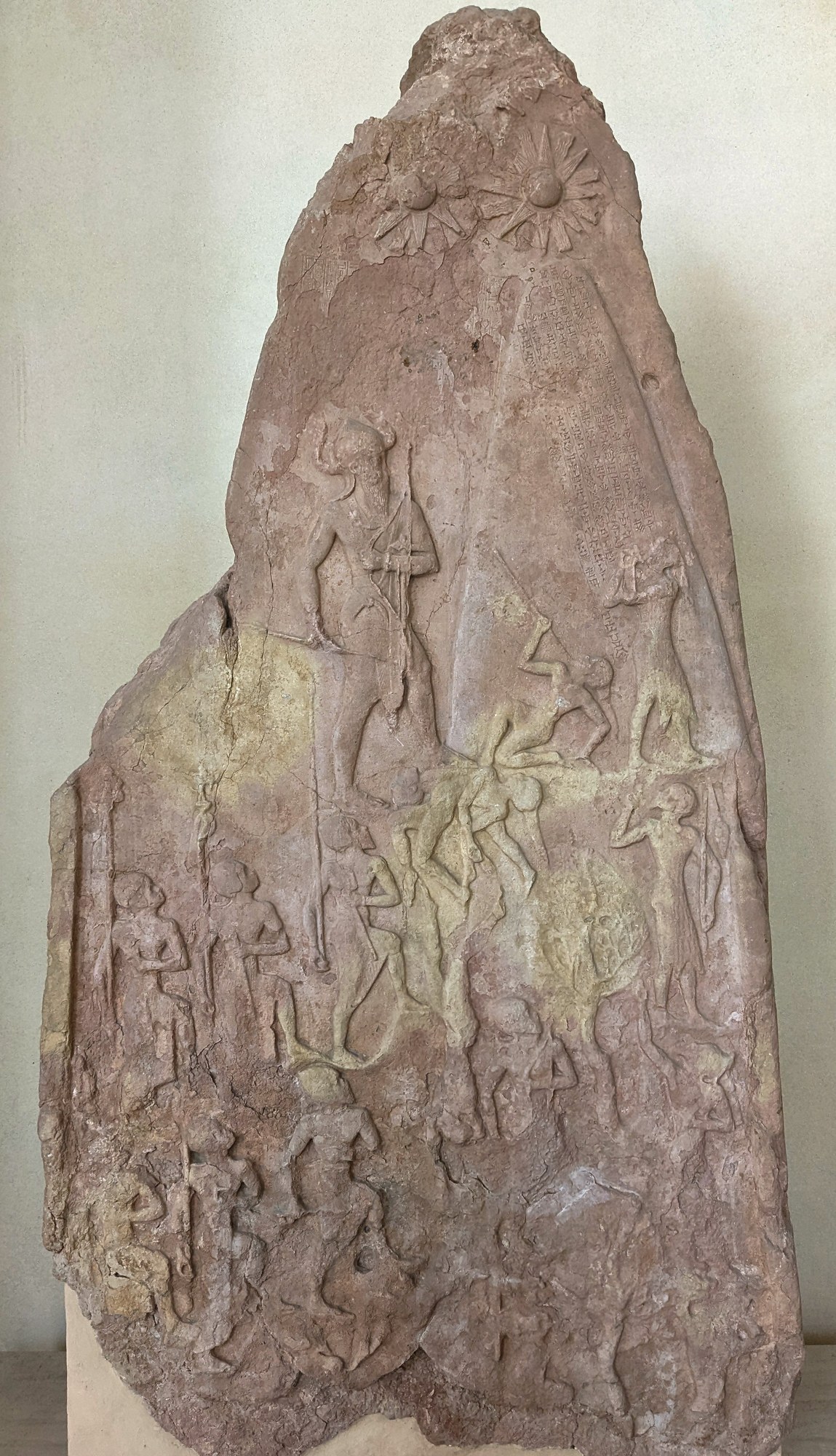
A king took axes to the god's own house, packed the temple's gold into leather bags, and loaded it onto ships. So the poets, four centuries after the city fell, explained why Agade vanished from the earth.
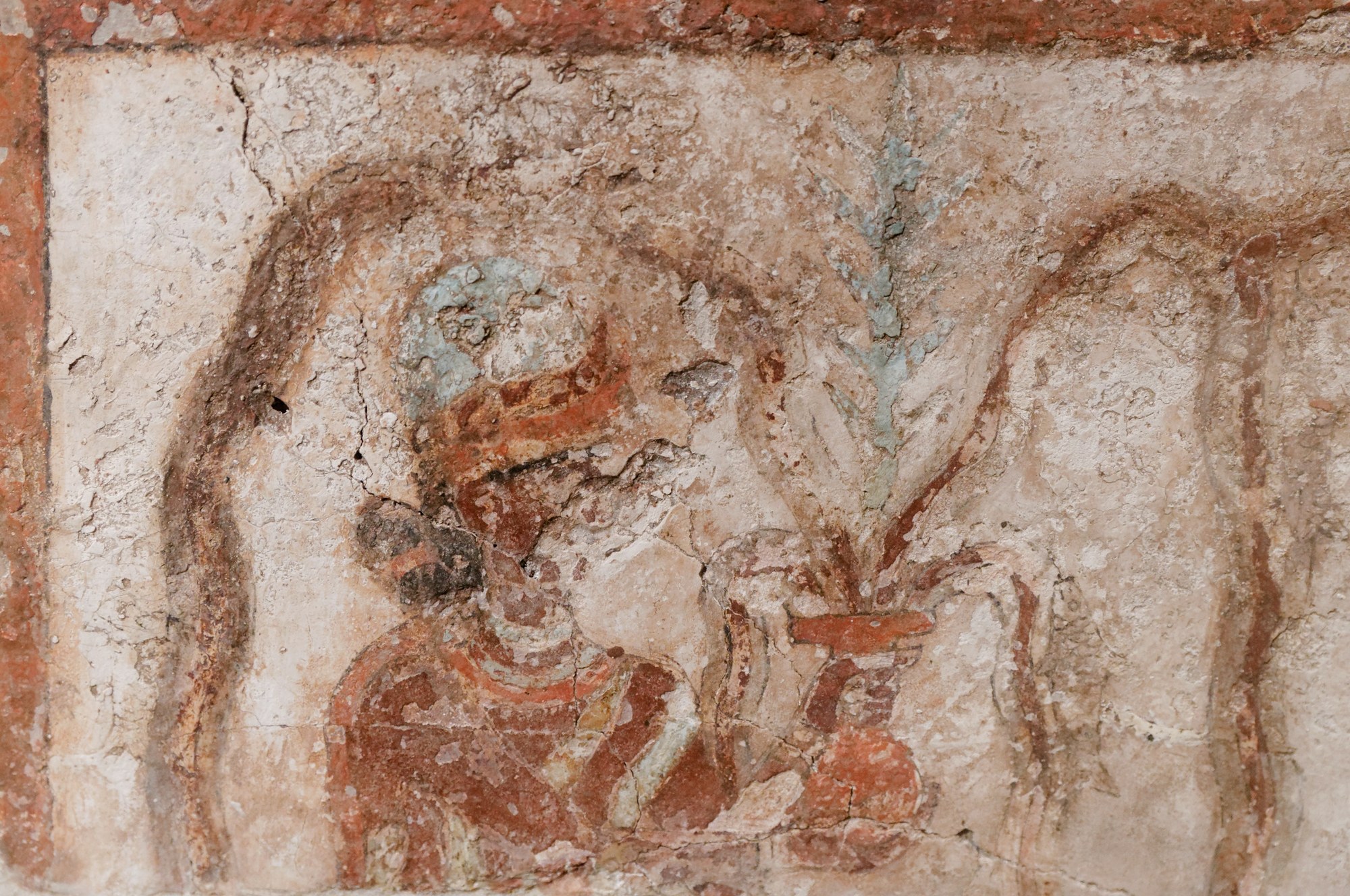
Forty years the lesser gods dug the rivers by hand. Then they burned their tools and surrounded their master's house in the dark, and the only way to end the strike was to build a creature that could take the work off them.
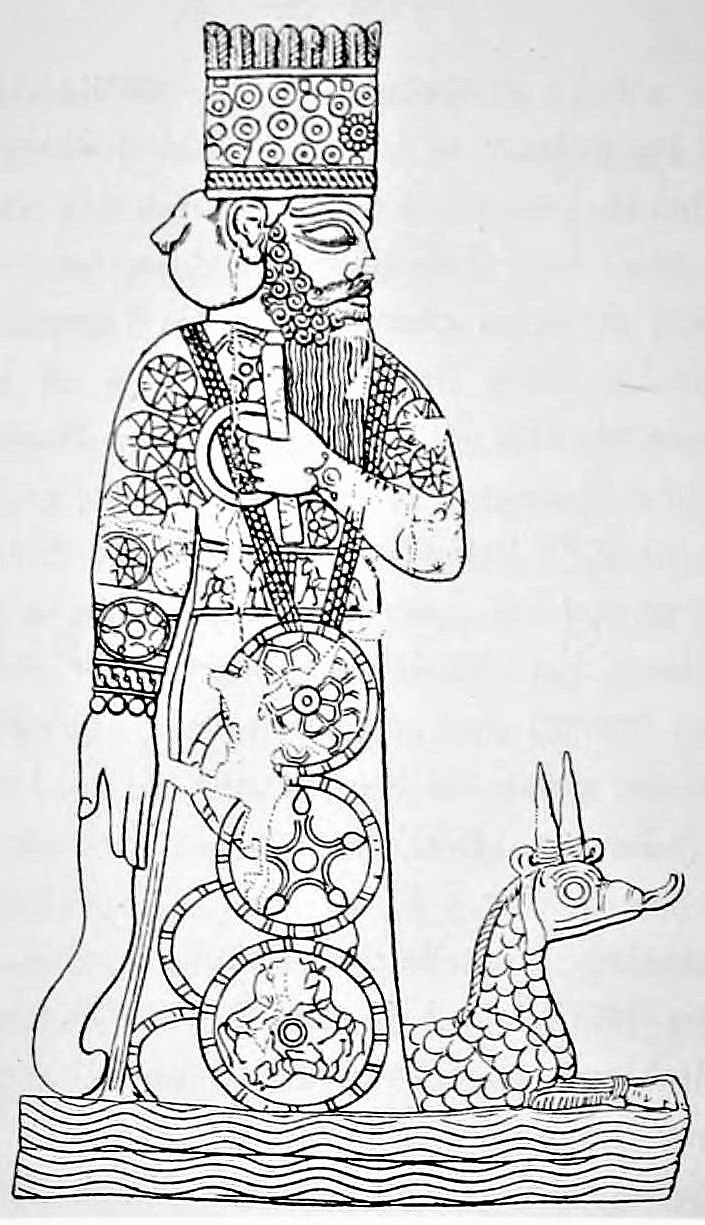
The young storm-god who alone dared face the salt-water chaos, drove the winds down her throat and split her body into the sky, and traded a single victory for the kingship of all the gods.
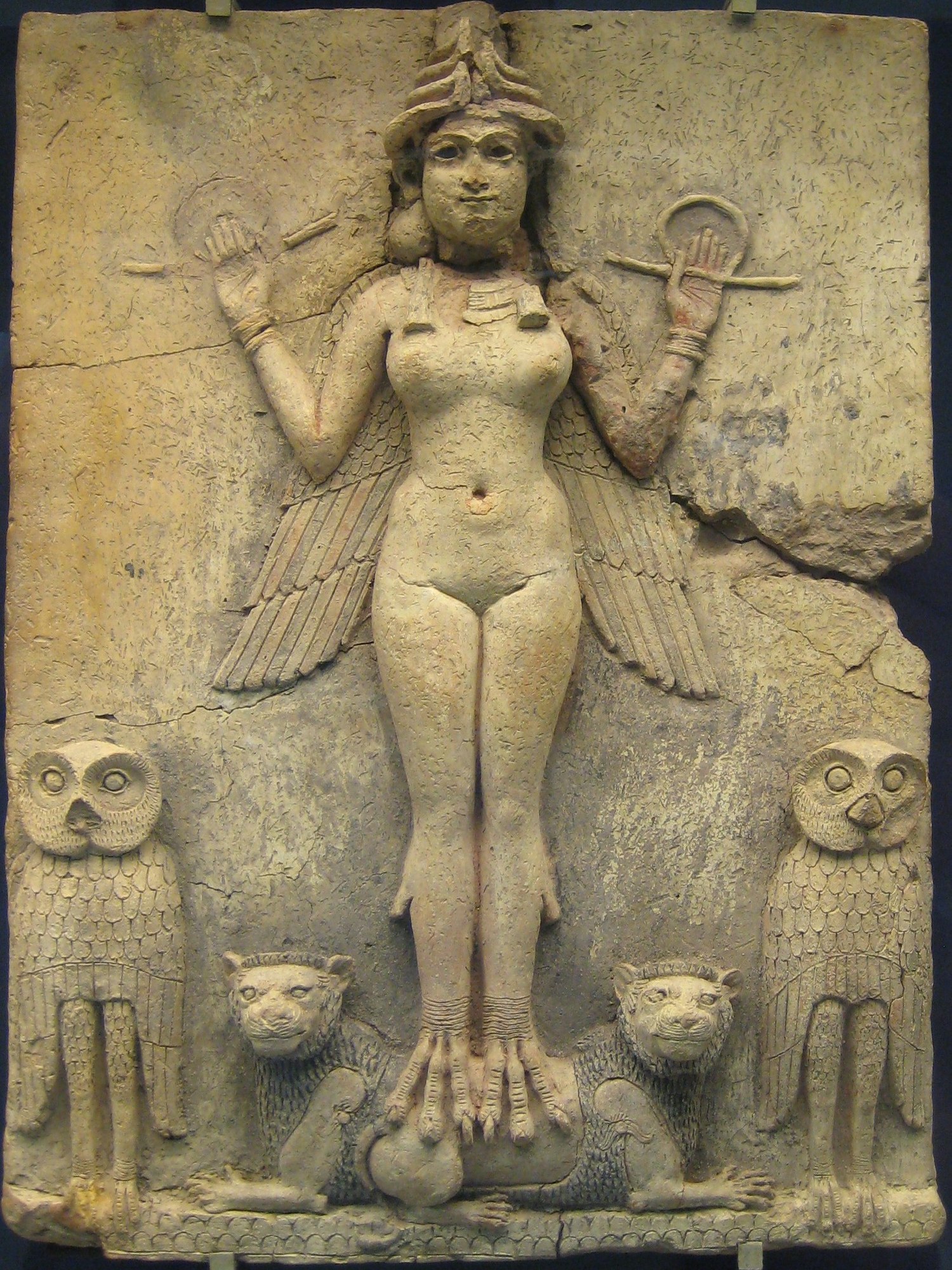
A goddess so fearsome she was barely worshipped, married off to a different god in every century that told her tale, and finally borrowed by Greek sorcerers who never knew what her name once meant.
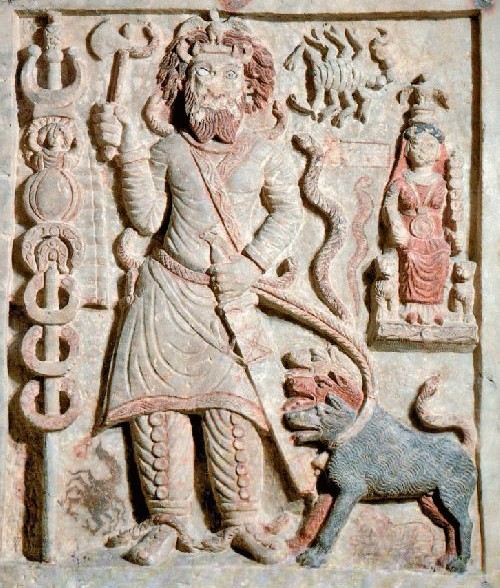
He kept his seat when the whole assembly of heaven stood, and the discourtesy cost him everything he was: the story of a plague-god who went down to be judged and came back a king of the dead.
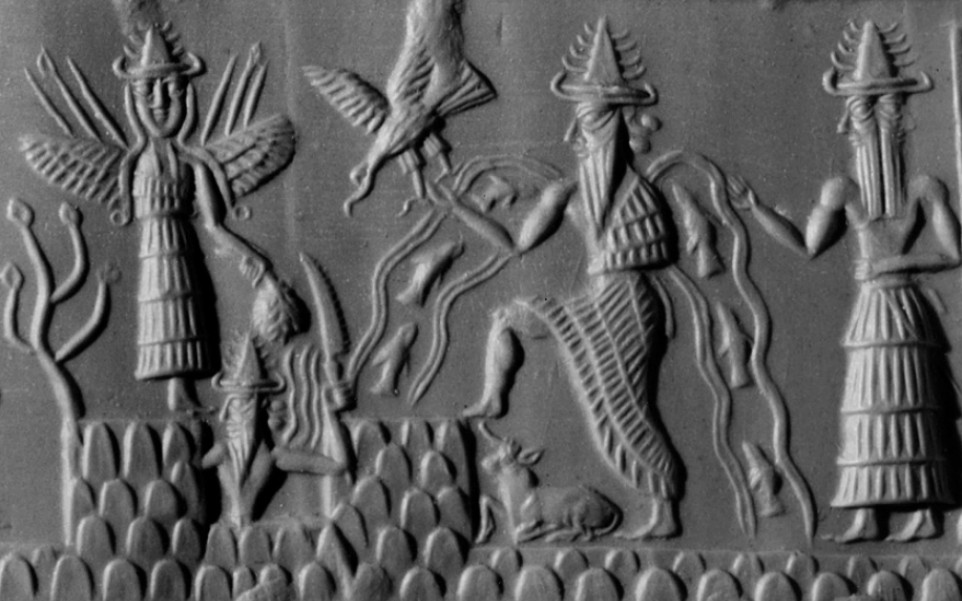
Before heaven had a name there were two waters, and they mingled. Everything that followed, the gods, the quarrel, the war that split a body into a sky, began in that first commingling of the fresh and the salt.
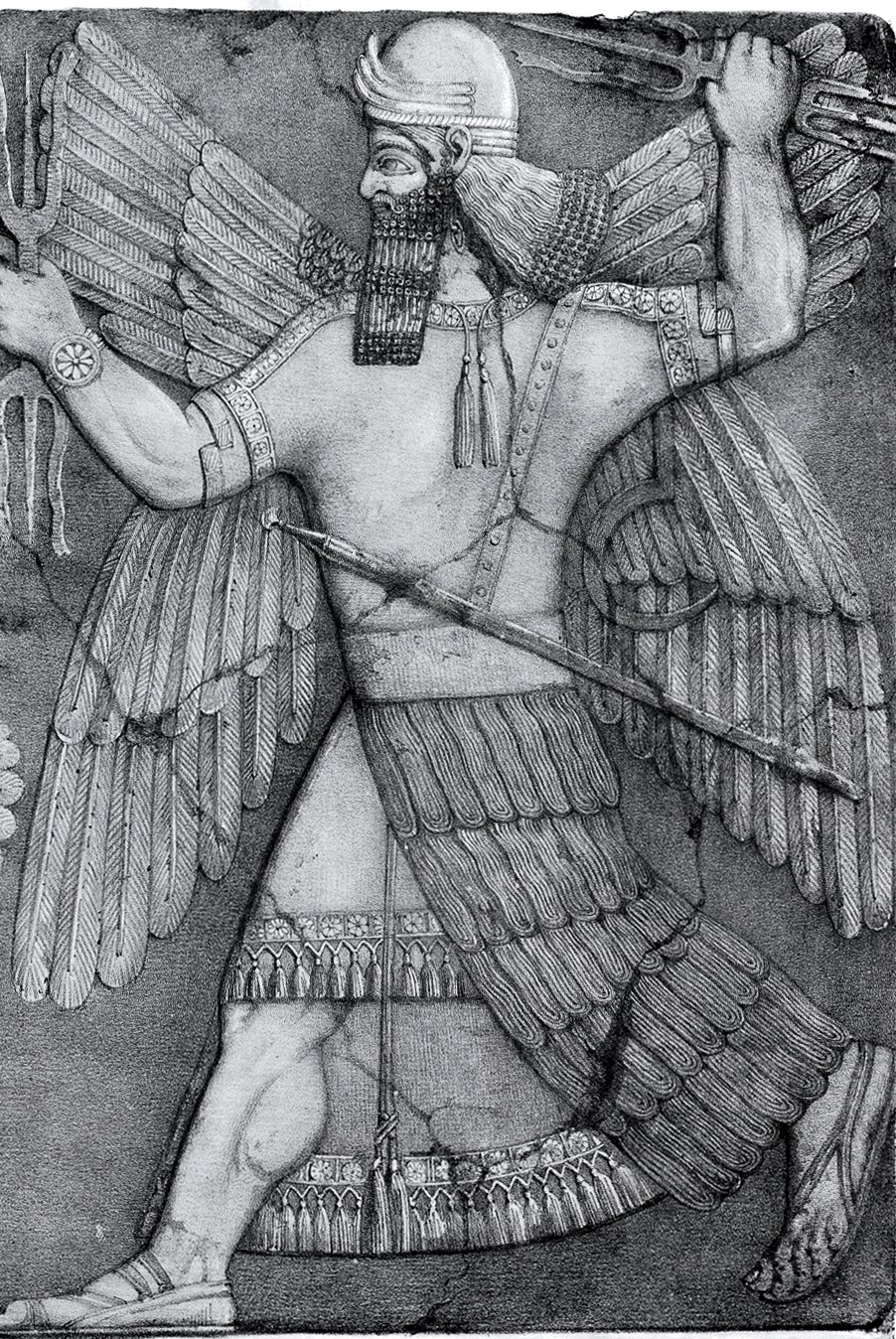
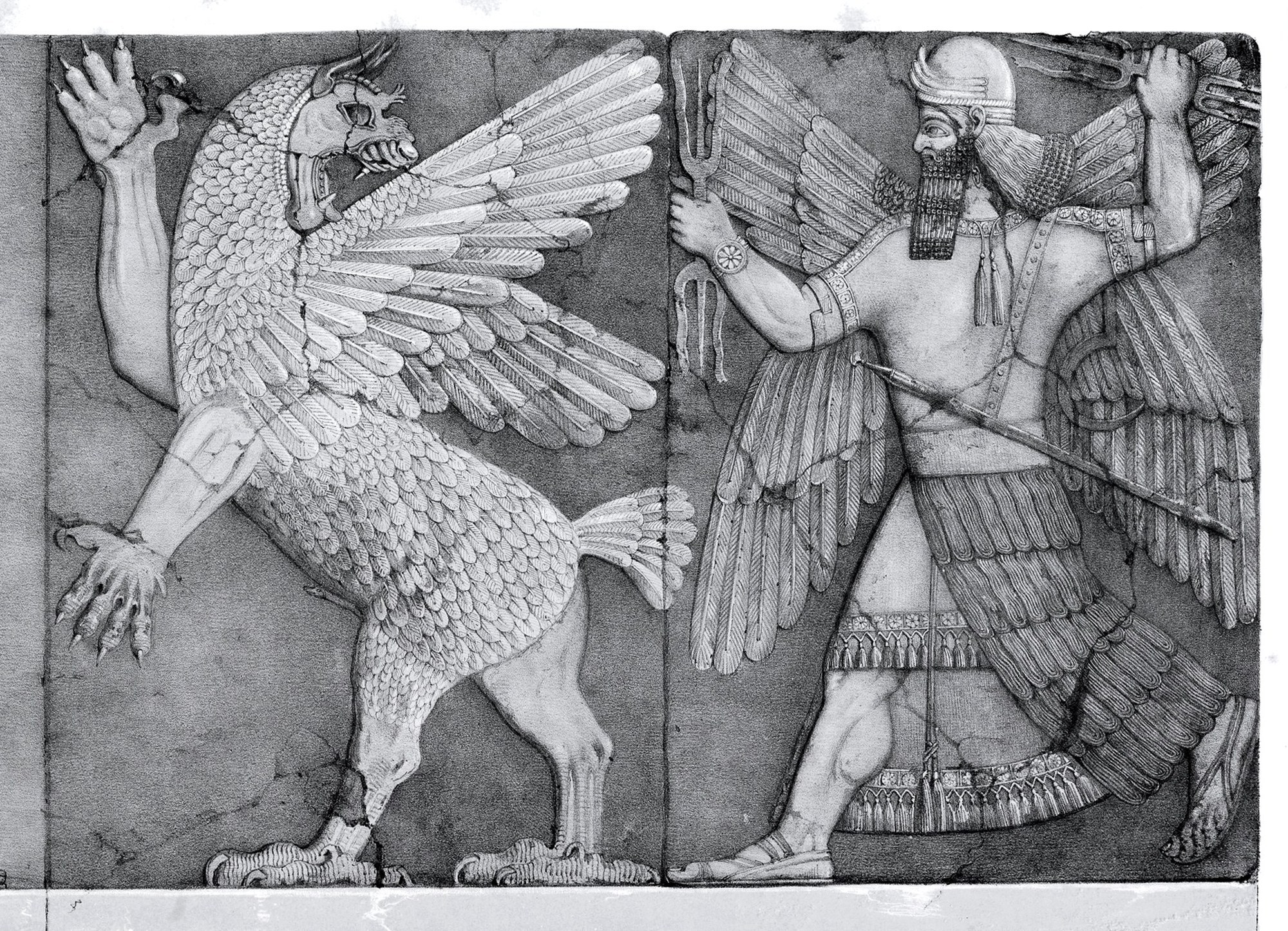
She was the salt ocean before the ocean had a shore, the mother of every god, and the body a younger god would one day split open to roof the sky. This is Tiamat as a being: her names, her monstrous brood, and how her carcass became the world.
The storm-bird has stolen the writ of fate and made his own word law, and every god the assembly names to fight him refuses. The recovery is a hunt won not by strength but by a trick that turns the thief's own magic dead.
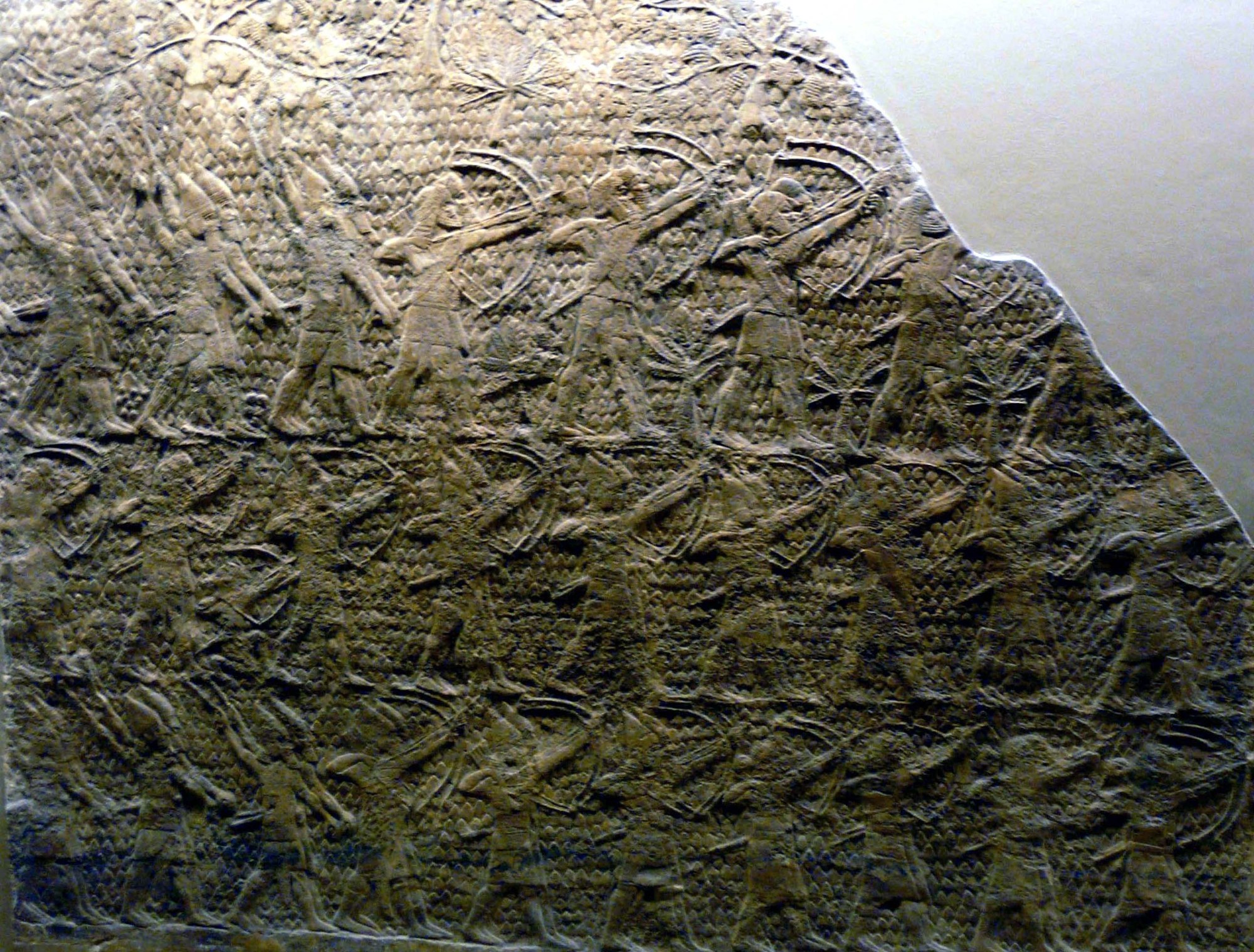
The war-god lies too tired to rise, until his own heart and seven restless weapons talk him into a slaughter no god can call off. Only his own minister can end it, and only by making war on a mountain instead of on men.
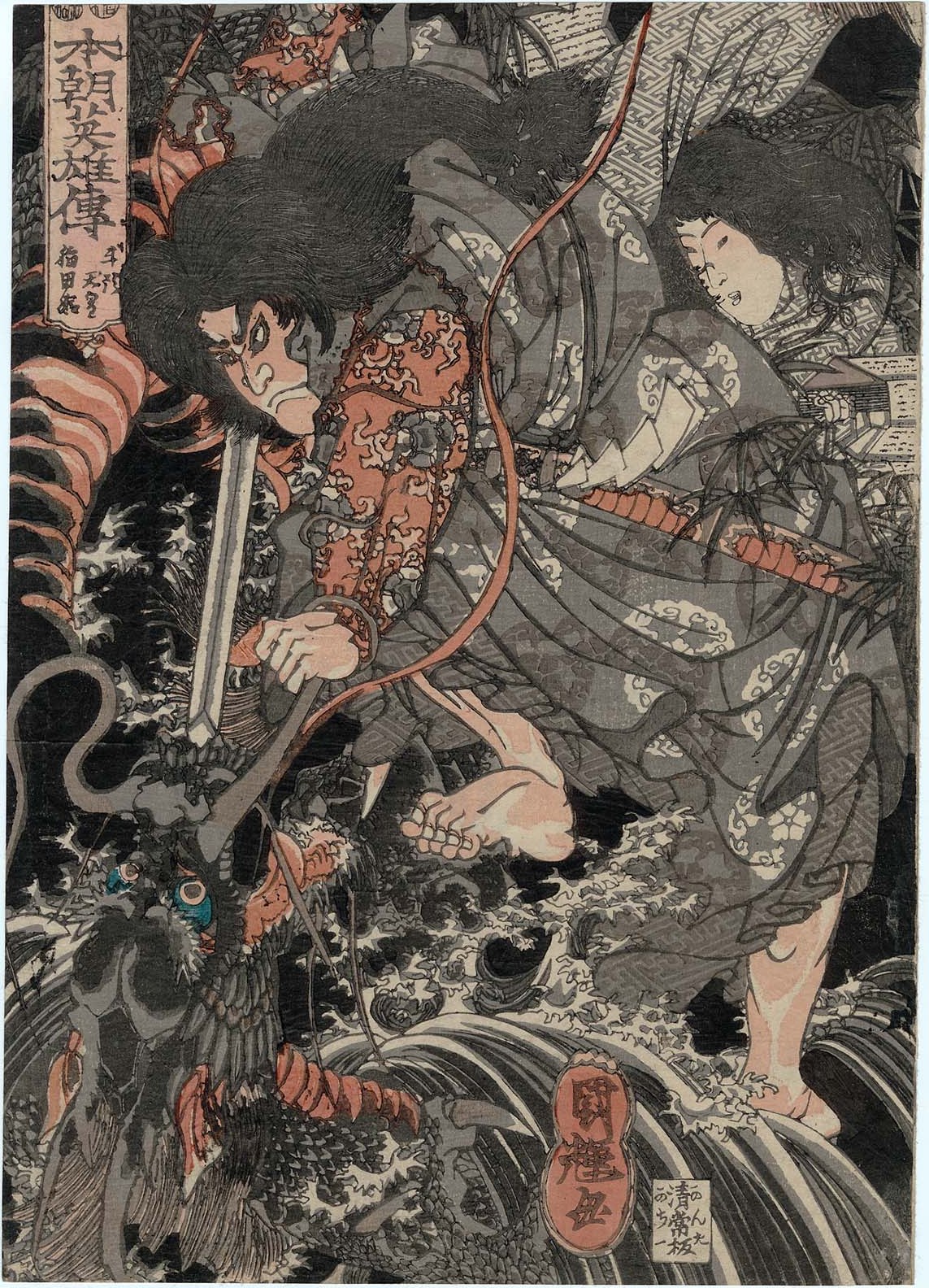
Three storm-gods, three chaos-serpents, three ways to win. Indra and Zeus burn their dragons with the thunderbolt, but the god of Izumo does something neither of them does: he pulls a sword out of the dead beast.
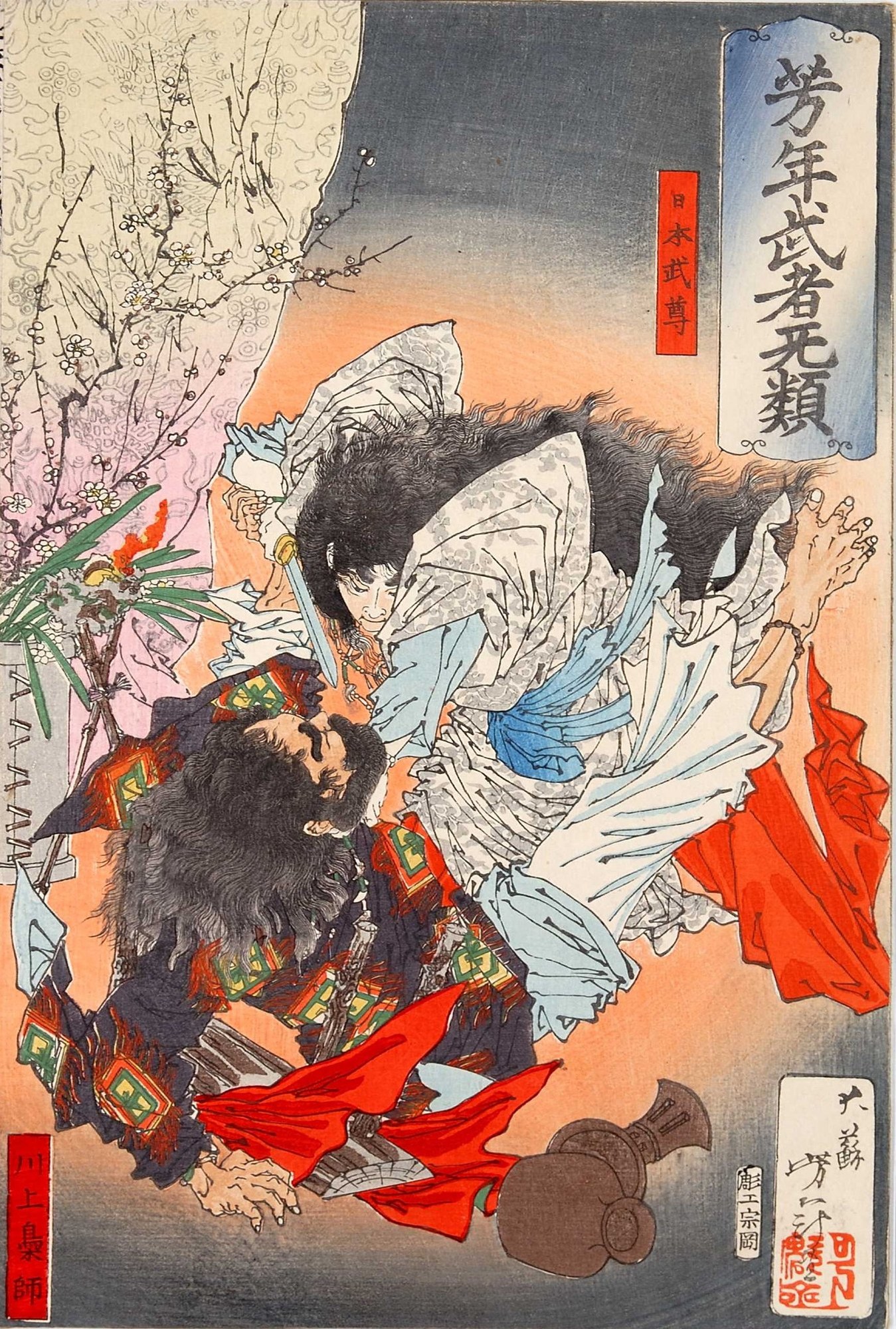
One chronicle has the young prince weep that his father must want him dead; the other has the emperor beat his breast and cry "Oh! Our son!" Two eighth-century courts, eight years apart, reading a single father and son in opposite keys.
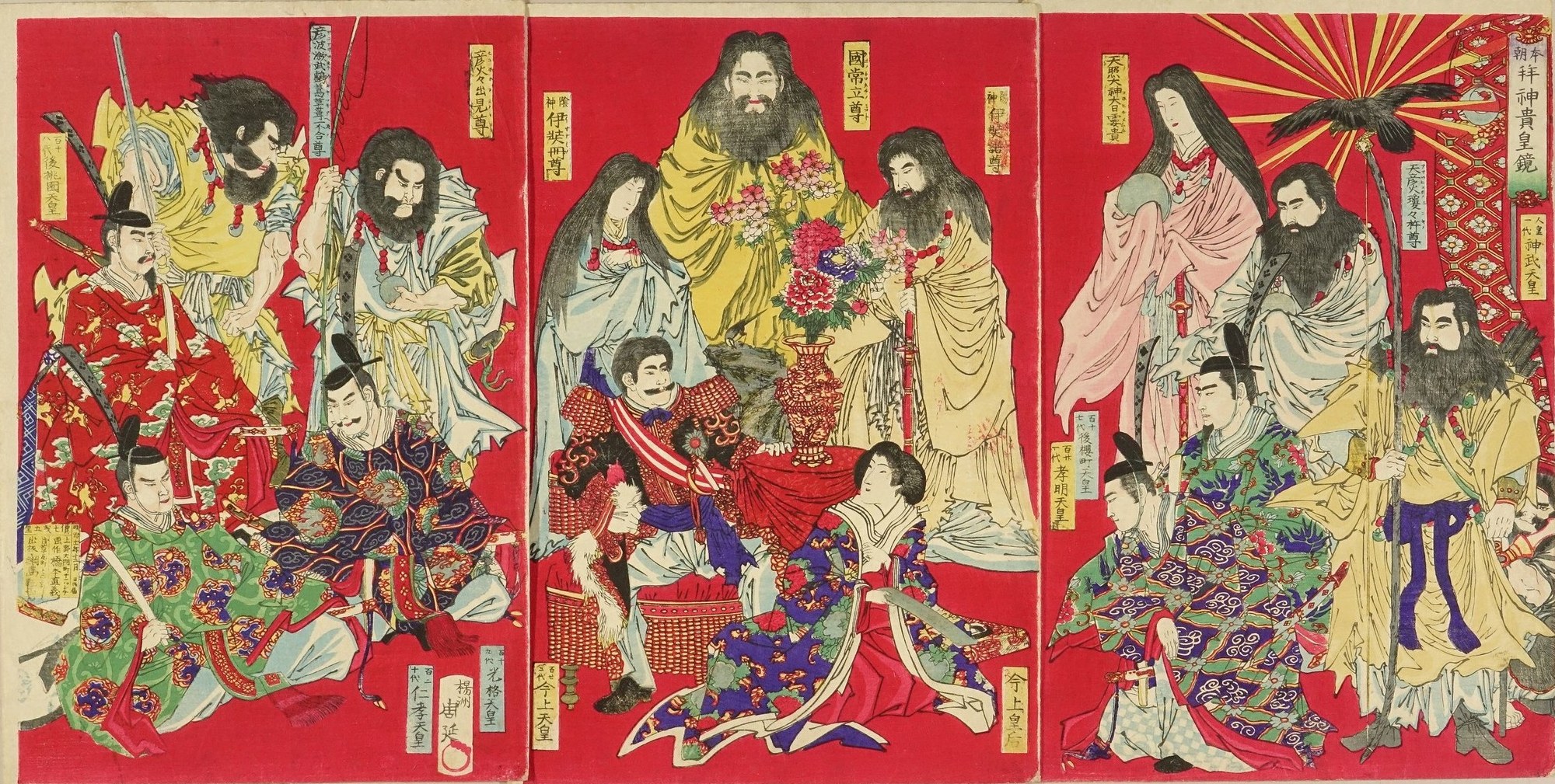
One sentence, copied and revised across roughly eleven hundred years, tells the emperors of Japan why they may rule: because the sun-goddess told their ancestor to, and told him it would last as long as heaven and earth.
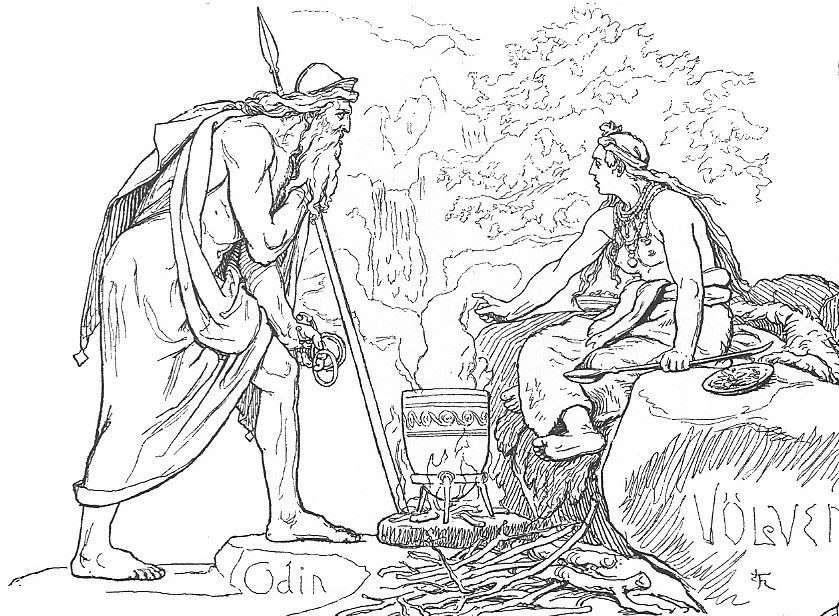
Odin raises a dead wise-woman to make her speak, and she gives him the whole arc of the world: its making, his own hidden secrets, and the fire that ends it all.
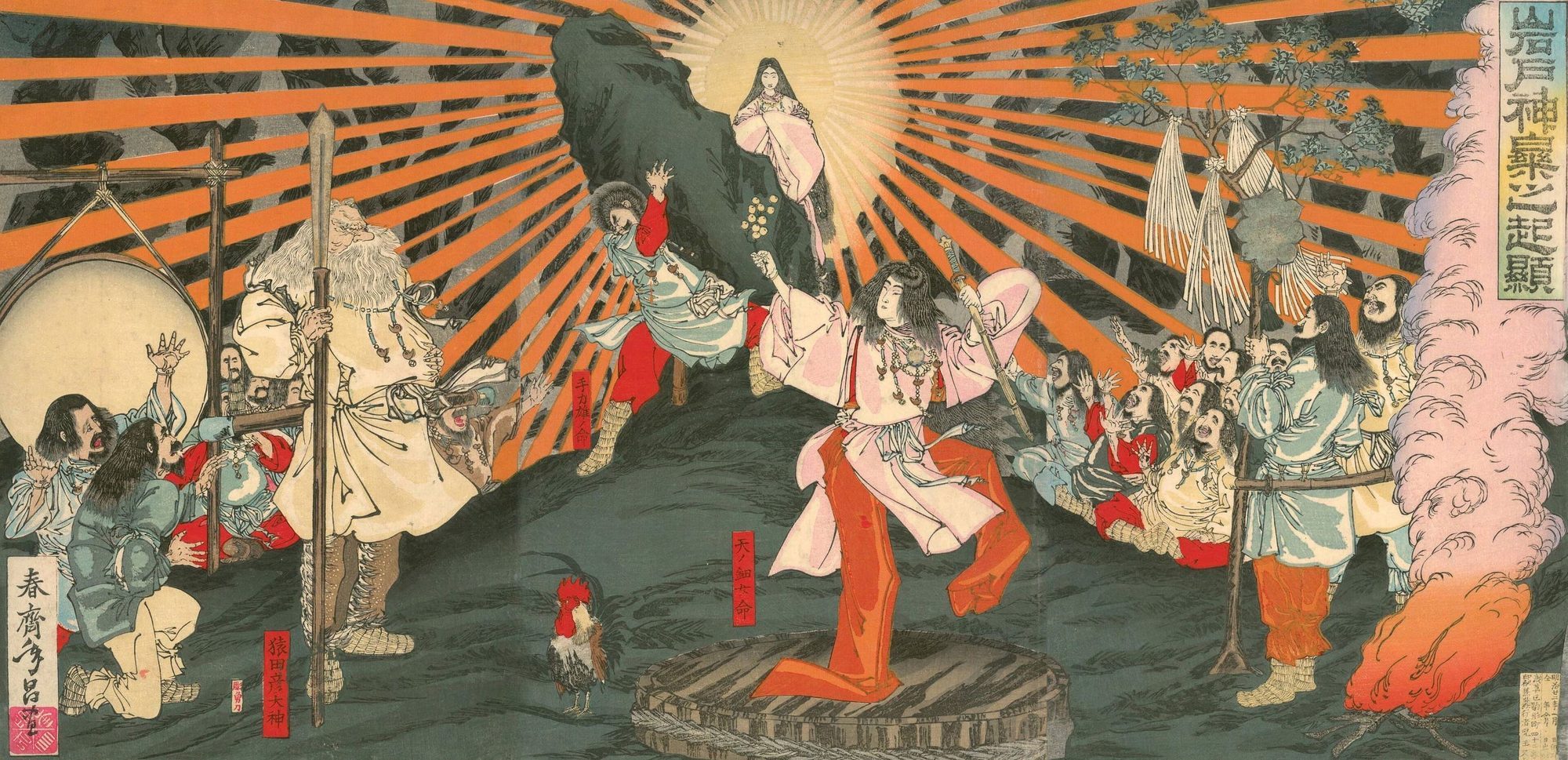
The sun-goddess bolts herself inside a stone door and the world goes black; it takes a forged mirror, a ribald dance and eight hundred myriad gods laughing in the dark to trick the light back out.
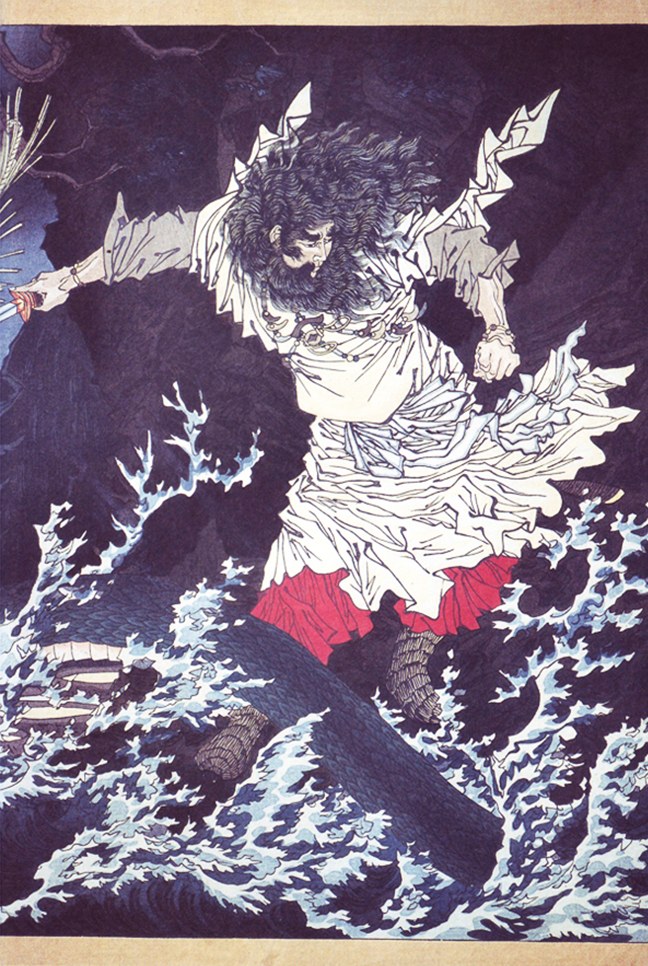
Born from a washed nose, he wept the green mountains bare and was cast out of two worlds before he ever drew a sword on the eight-headed serpent: the most turbulent of the Japanese gods, expelled troublemaker turned culture-hero of Izumo.
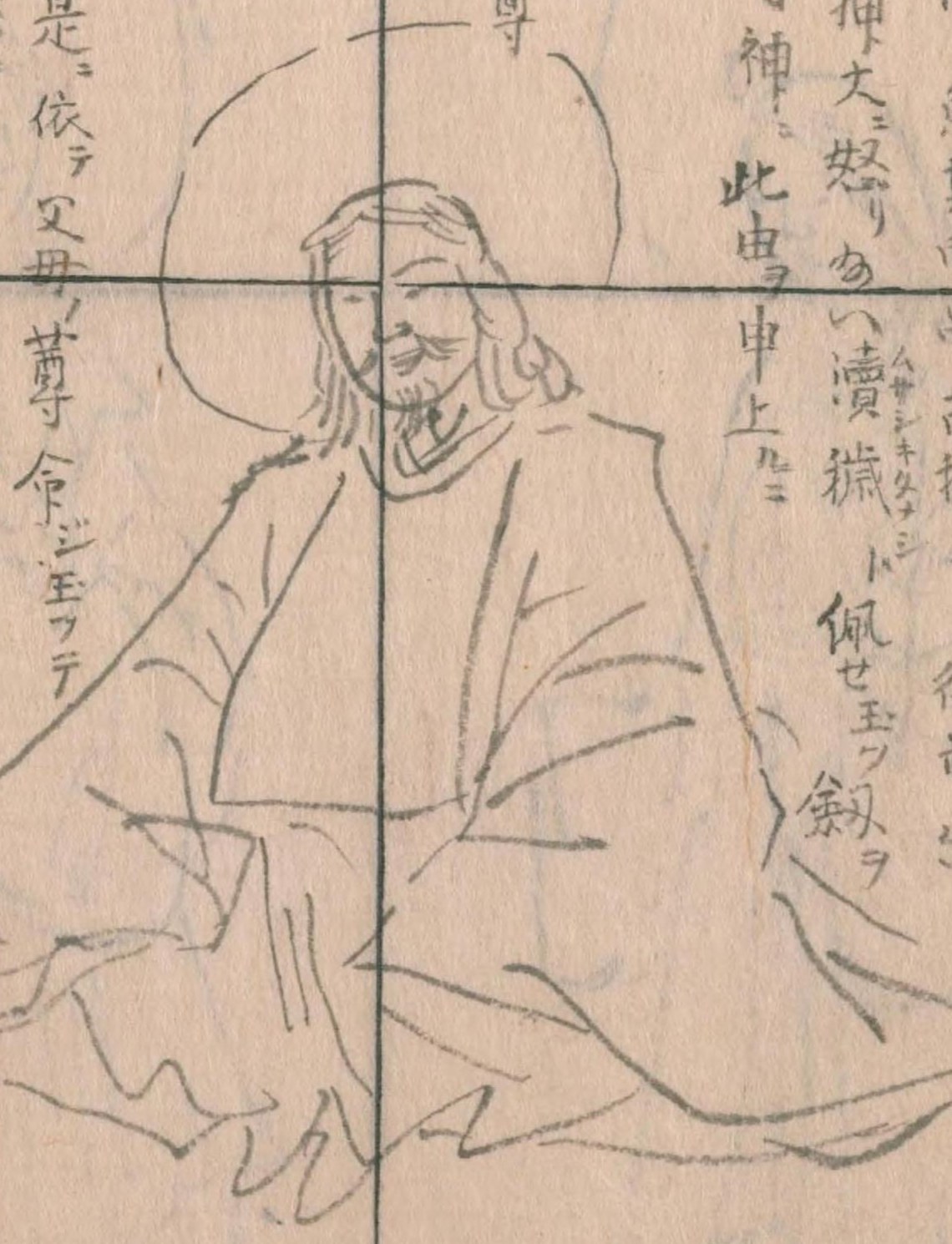
Born from the right eye of a god washing himself clean of the dead, the moon drew his sword on a goddess who fed him from her mouth, and for that the sun turned her face away: the quiet god whose one act set the sun and moon apart.
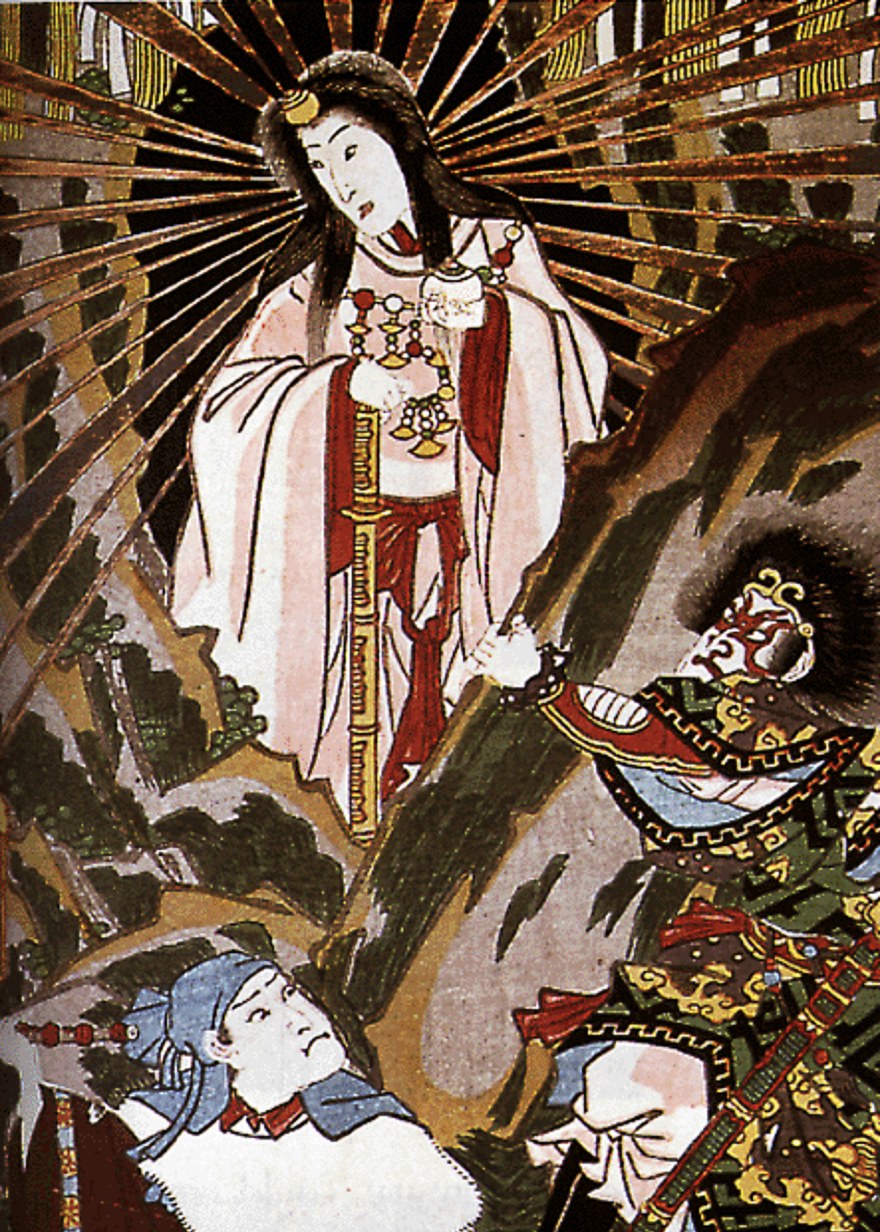
The radiance that shone through all six quarters at birth, the goddess who armed herself like a warrior against her own brother and then shut the door on the world: ancestress of the emperors and light of the High Plain of Heaven.
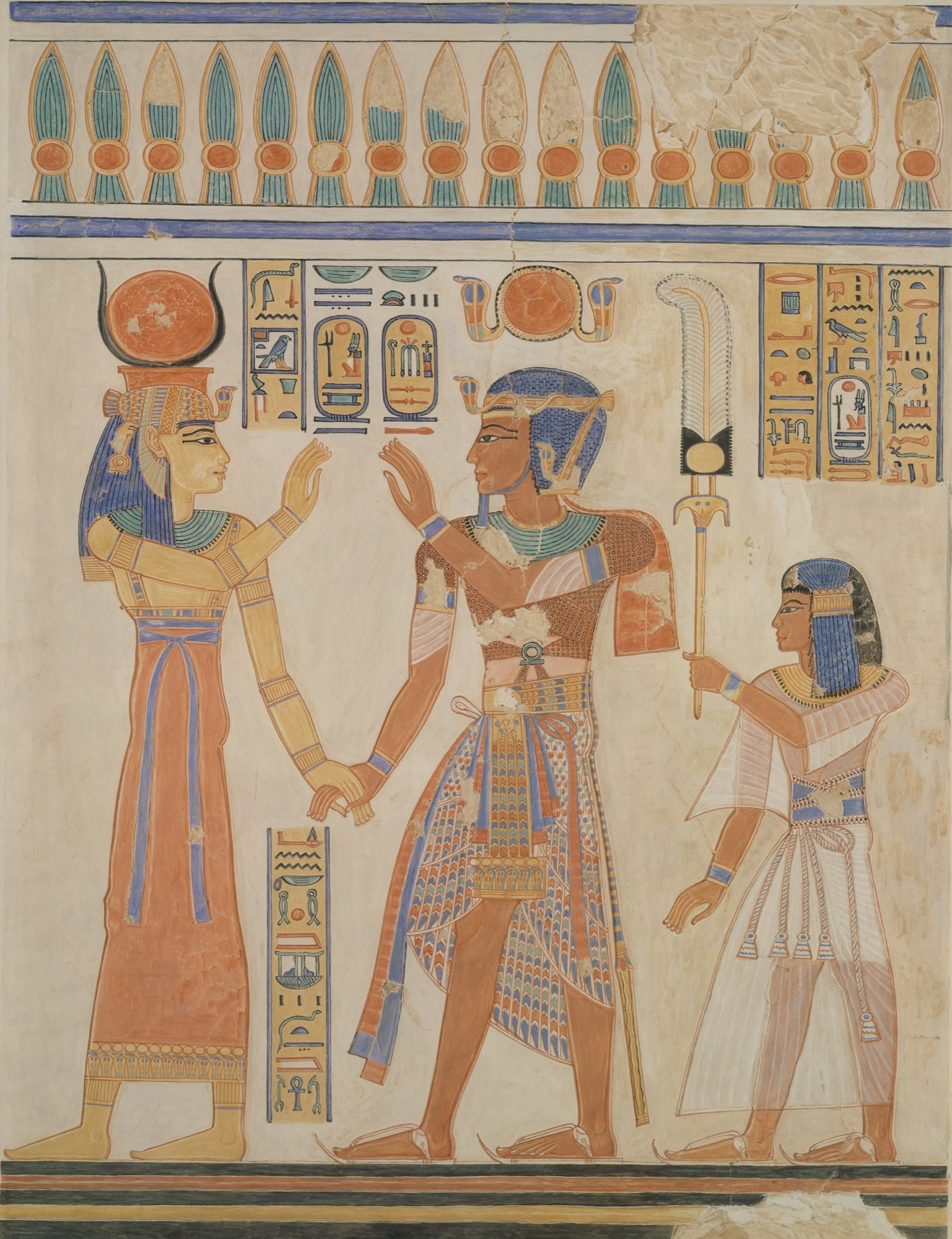
Ra loosed his own Eye on rebellious mankind, then could not call her off. So he brewed seven thousand jars of blood-red beer and flooded the fields, and let the killer drink herself gentle.
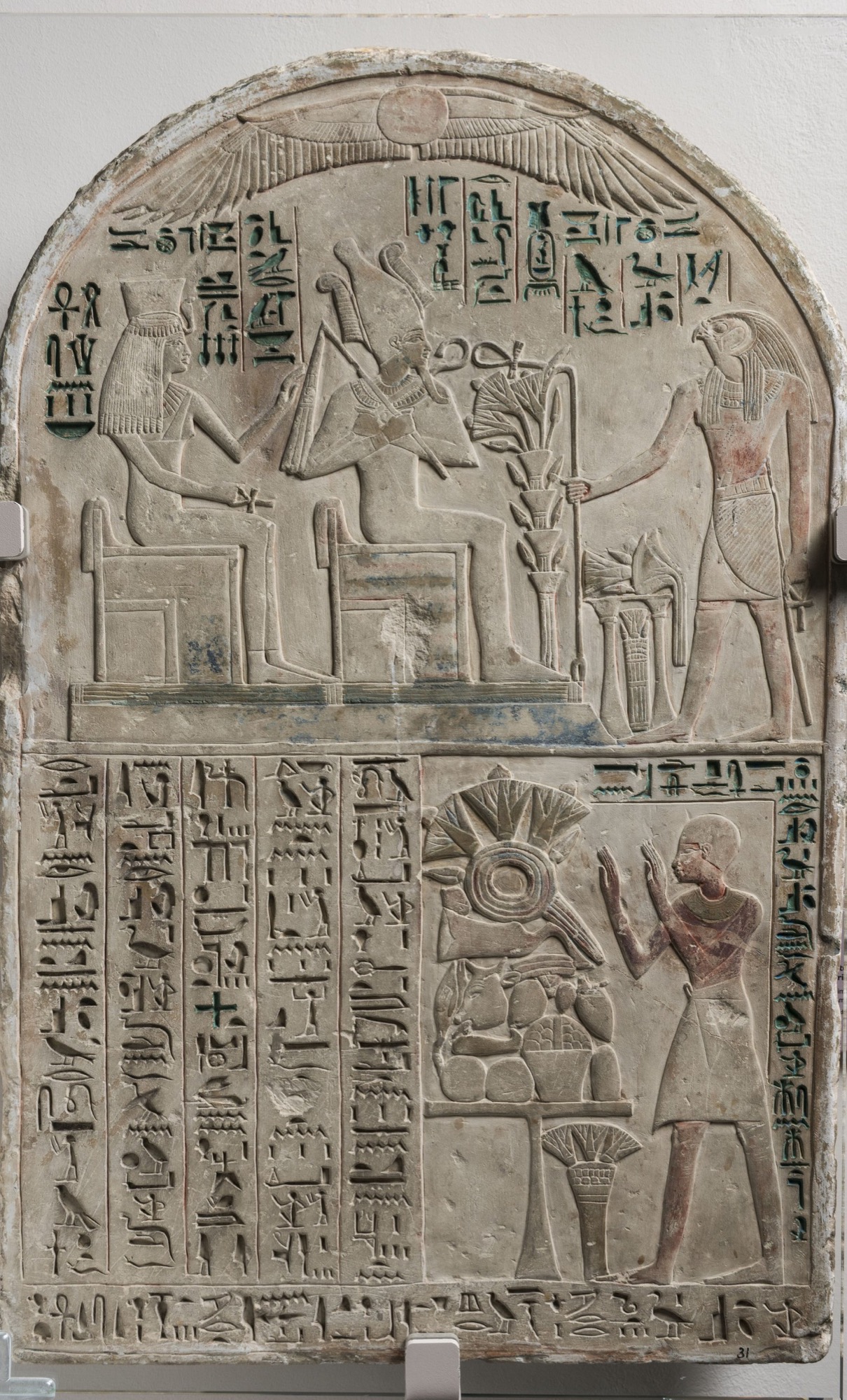
Reared in the marshes until his arm was strong, the falcon-son came for the throne his uncle stole: three ancient traditions, a slaughter, a tribunal and a war, and not one clean duel among them.
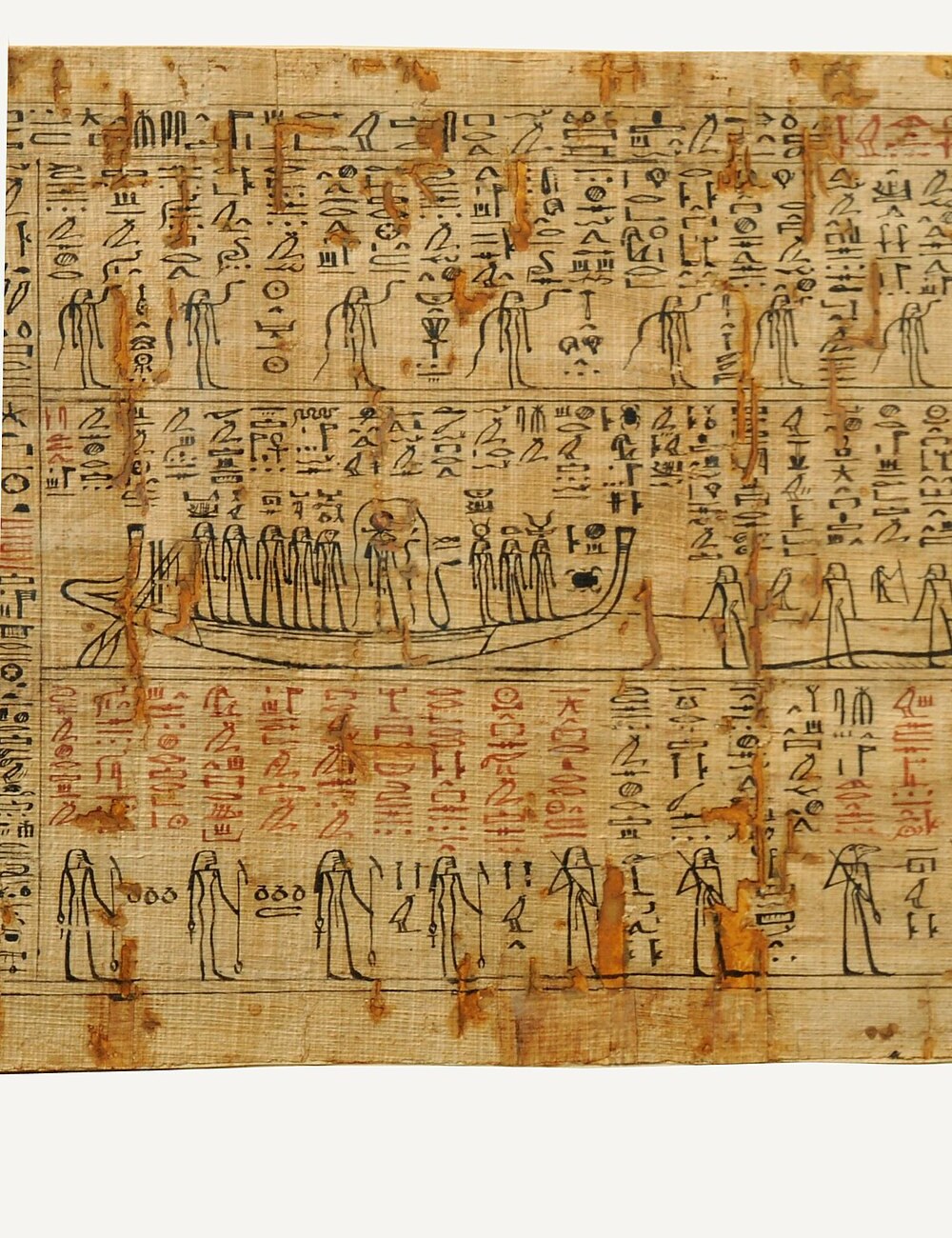
A ram-headed sun hauled by ropes through a valley of the dead, a serpent staked with knives, a rebirth out of a monster's tail: the Egyptian underworld the sun and the dead must cross before dawn.
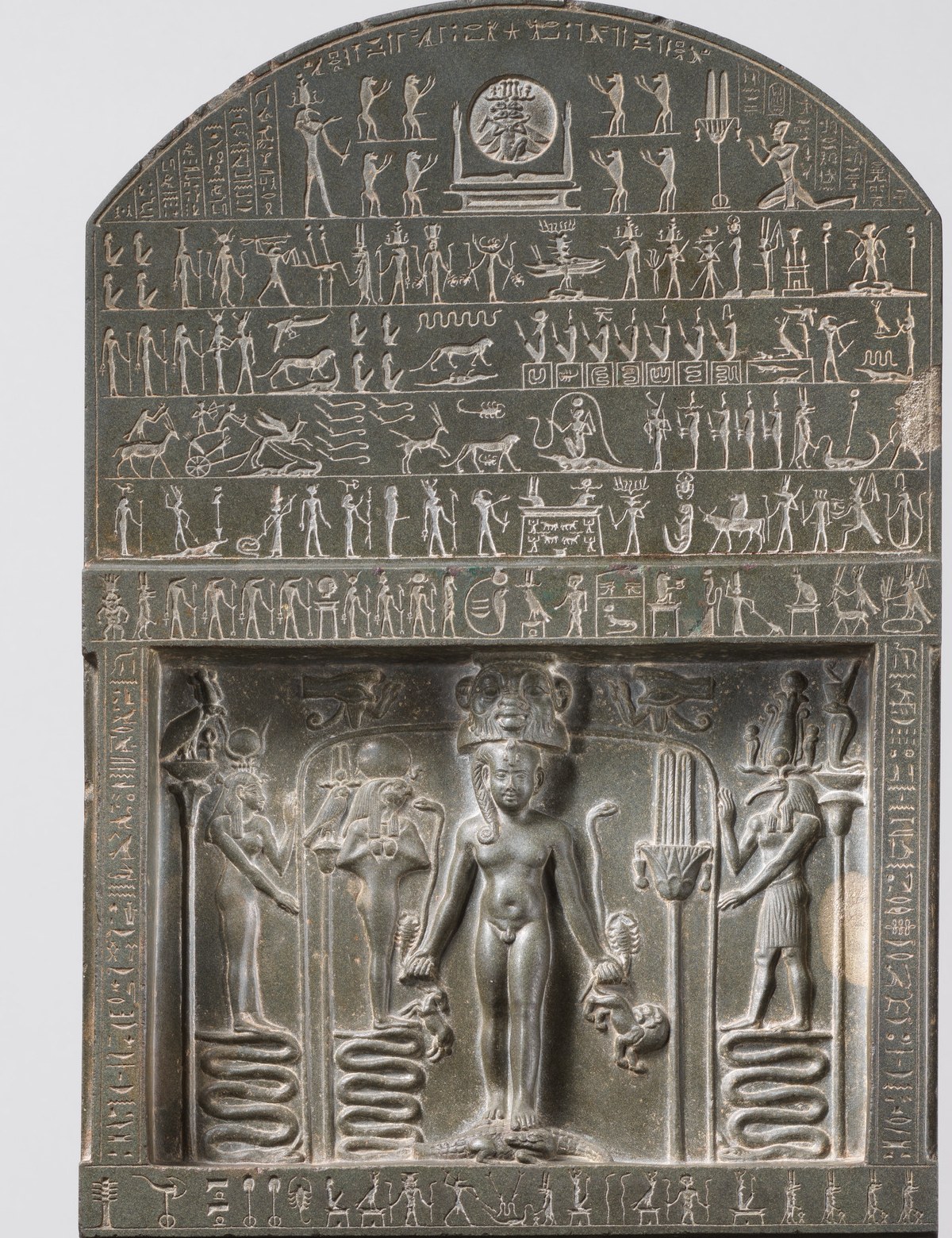
Eighty years of lawsuits and duels for a dead king's throne: an uncle and a nephew, a bench of gods that cannot make up its mind, and a mother who will not let her son lose.
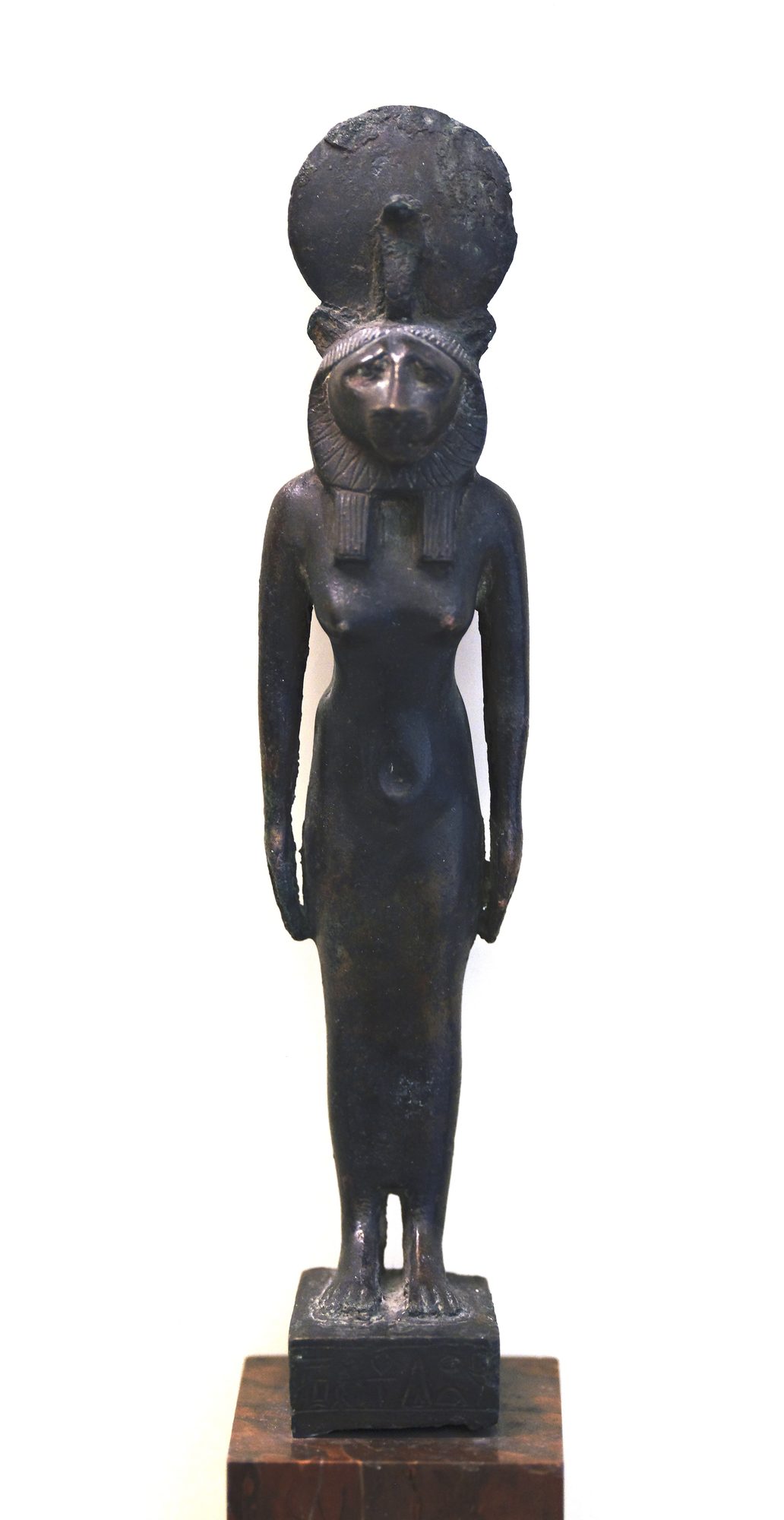
A goddess carved in statues enough to face every day of the year, whose breath was plague and whose priests were physicians: the lioness the Egyptians both feared and begged.
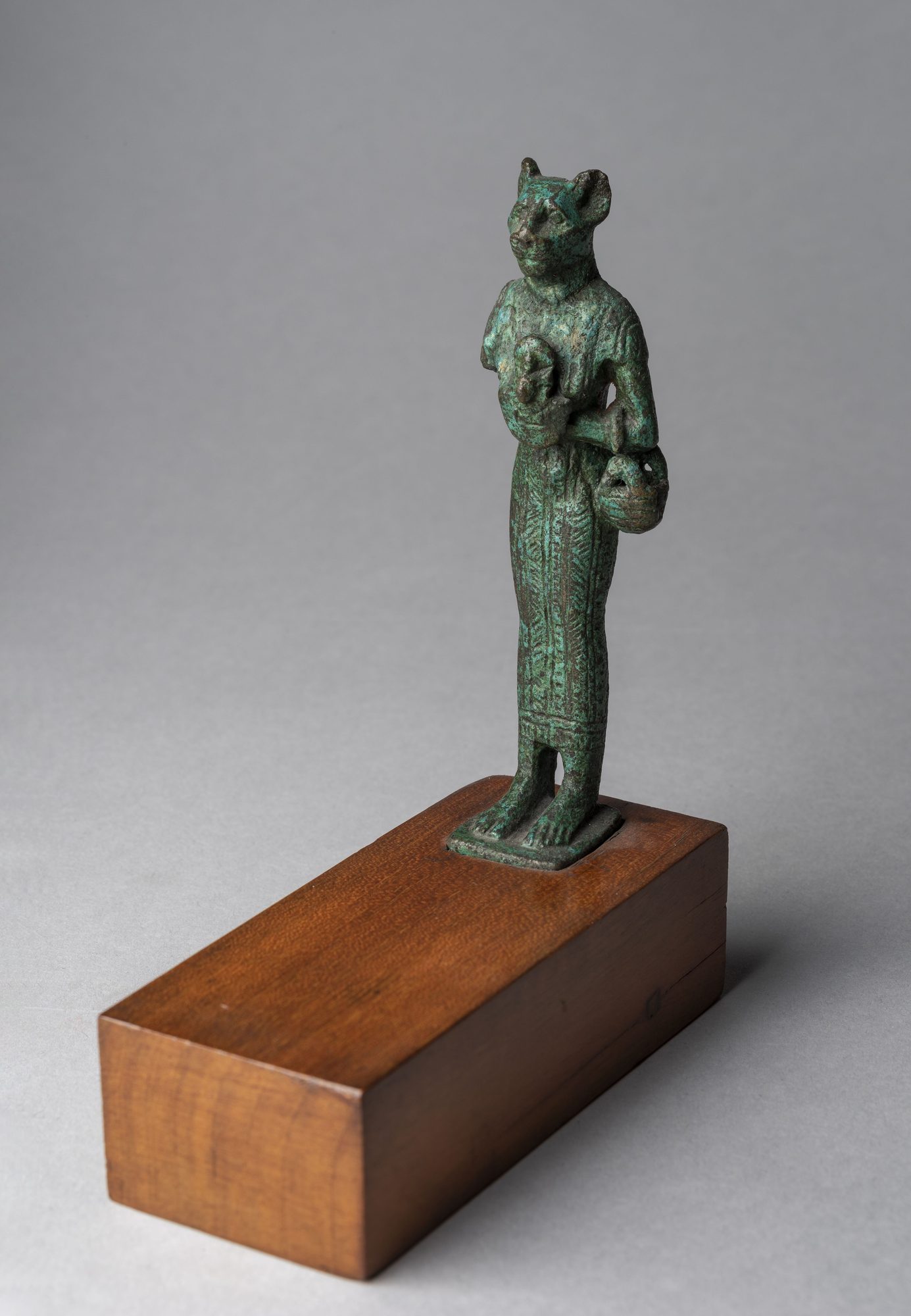
Before she was the gentle cat with kittens at her feet, she was a lioness of the sun a dead king dared not offend. Egypt drank more wine at her festival than in all the rest of the year.
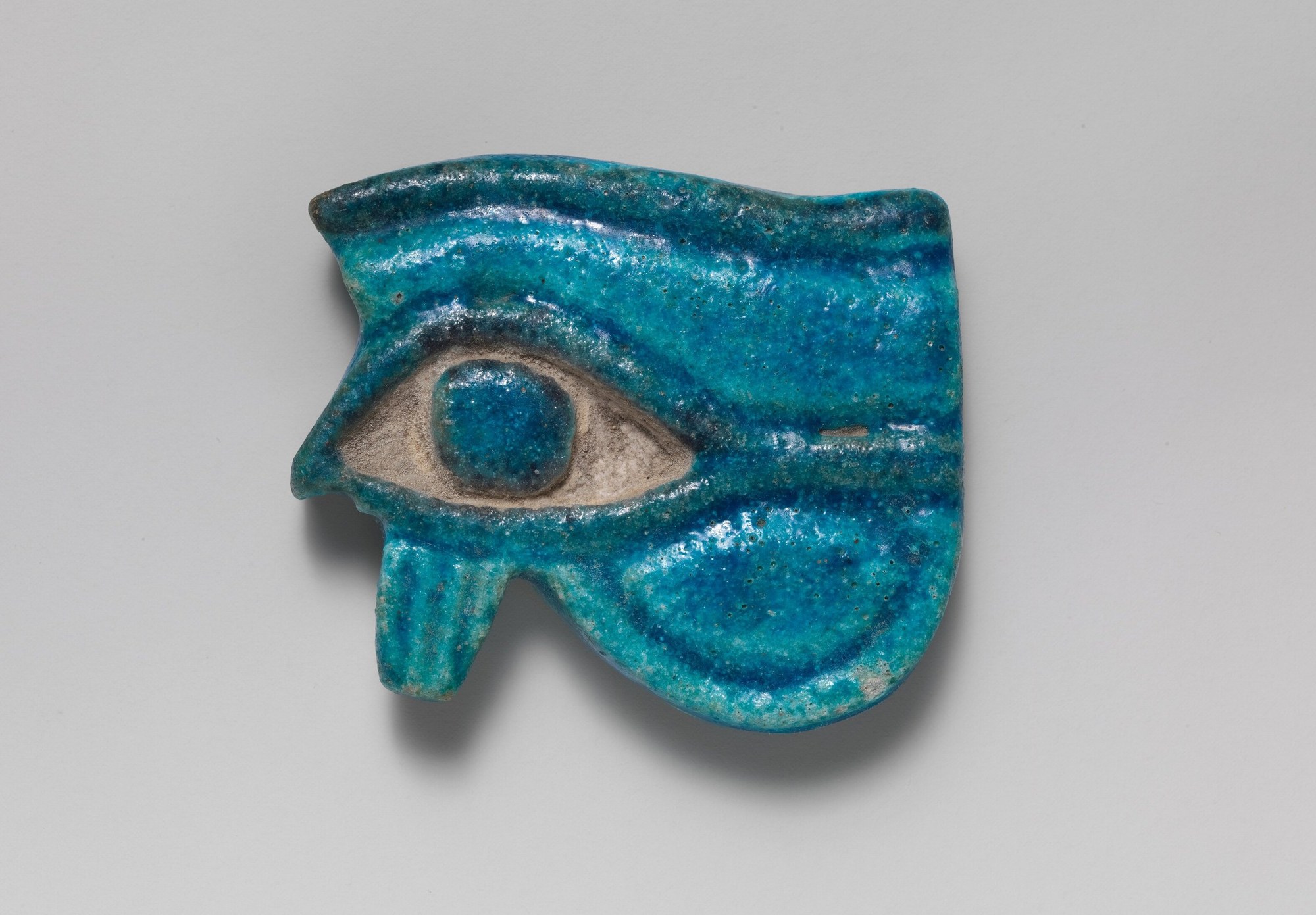
A black pig, a mighty storm, an eye put out: how the Egyptians told the wounding of Horus two ways at once, and why the healed eye became the very word for wholeness.
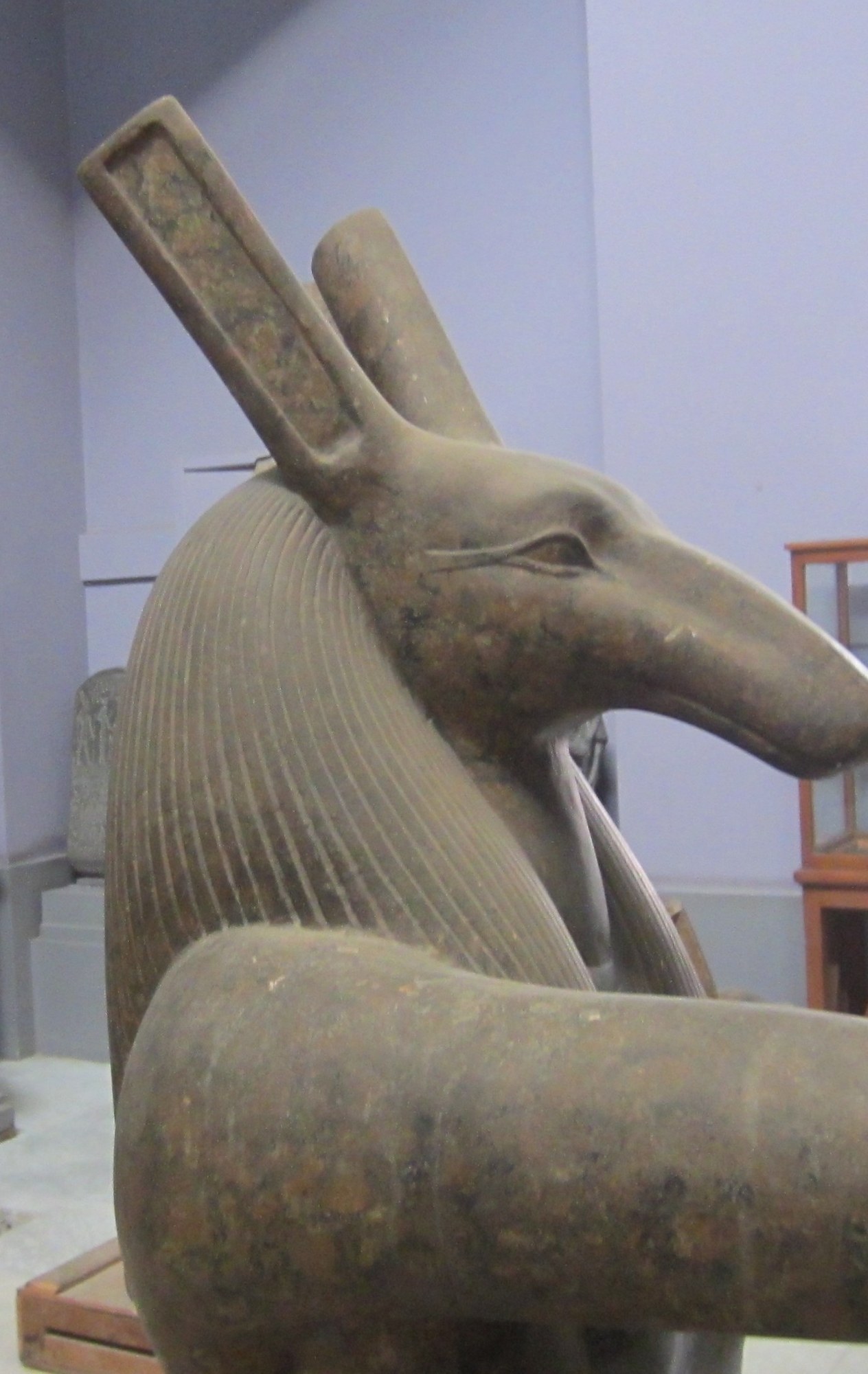
Storm-god, desert-lord and fratricide: the red god the Egyptians both needed and feared, murderer of Osiris and rival of Horus, who was never only a villain.
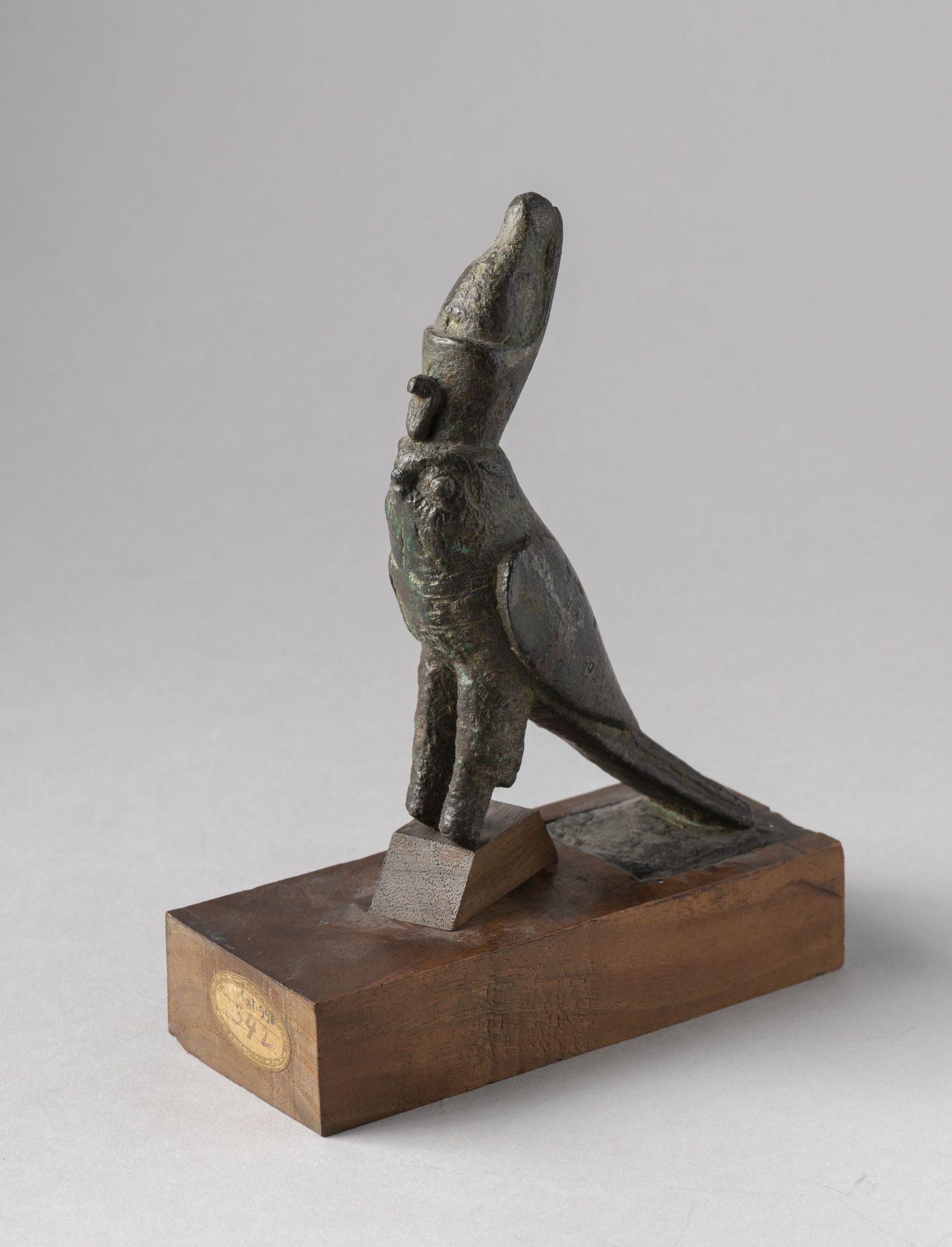
The falcon-headed heir who takes back a stolen throne: son of a murdered god, raised in a marsh, and vindicated before the assembled gods as the rightful king of Egypt.
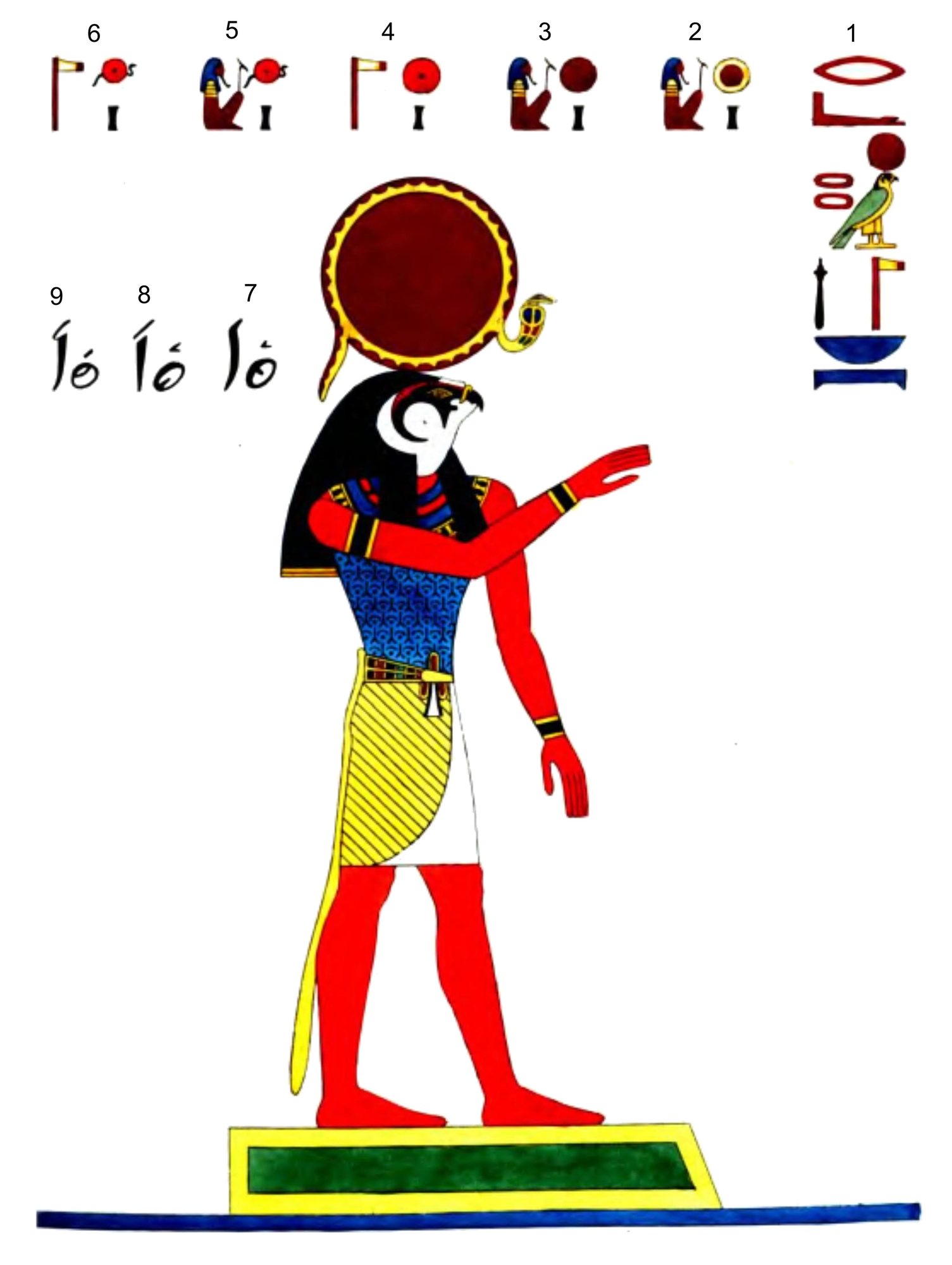
Beetle at dawn, blazing disk at noon, a tottering old man sinking into the west: the creator sun-god of Heliopolis who sails the sky by day and fights his way through the underworld by night.
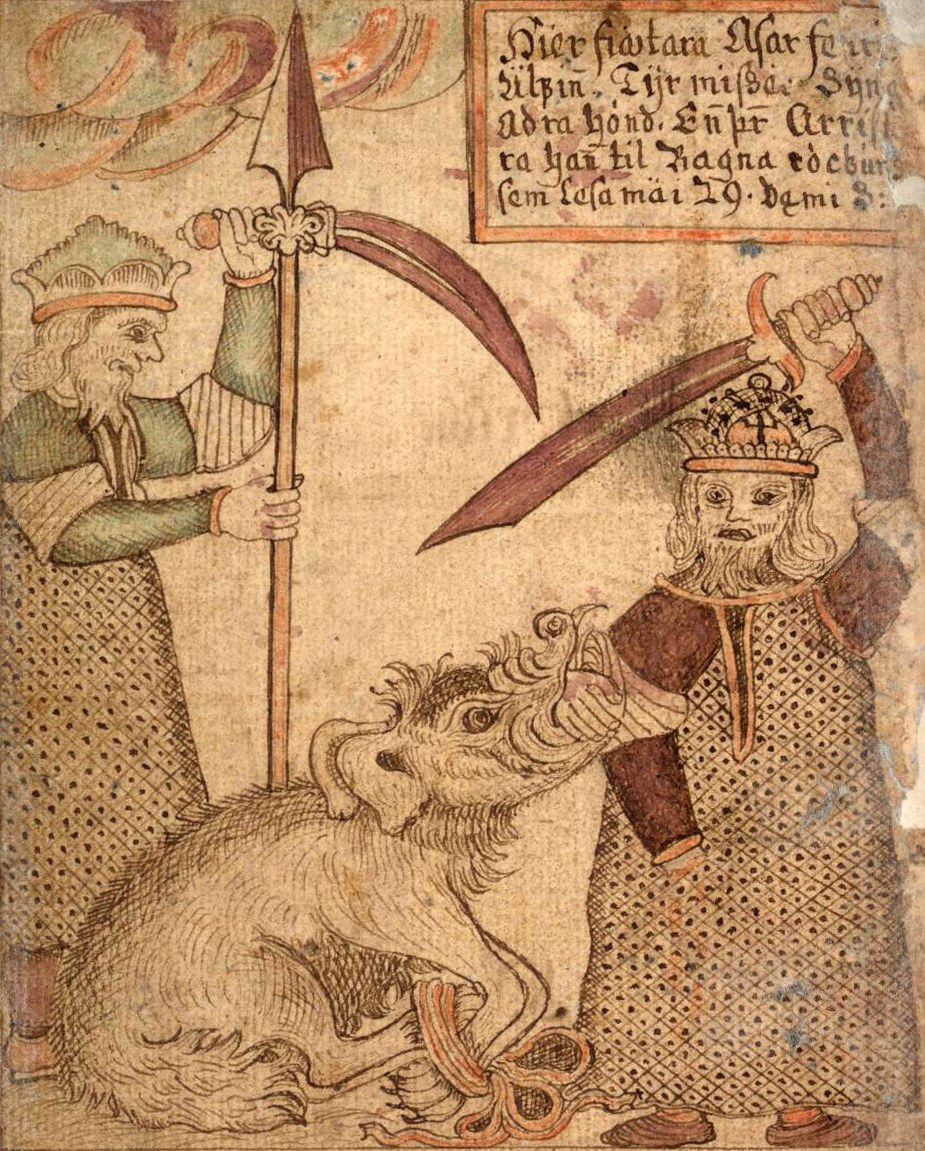
The boldest of the Aesir laid his sword-hand in a wolf's jaws to bind a doom he could not defeat, and lost it: the god who kept a pledge he knew was false.
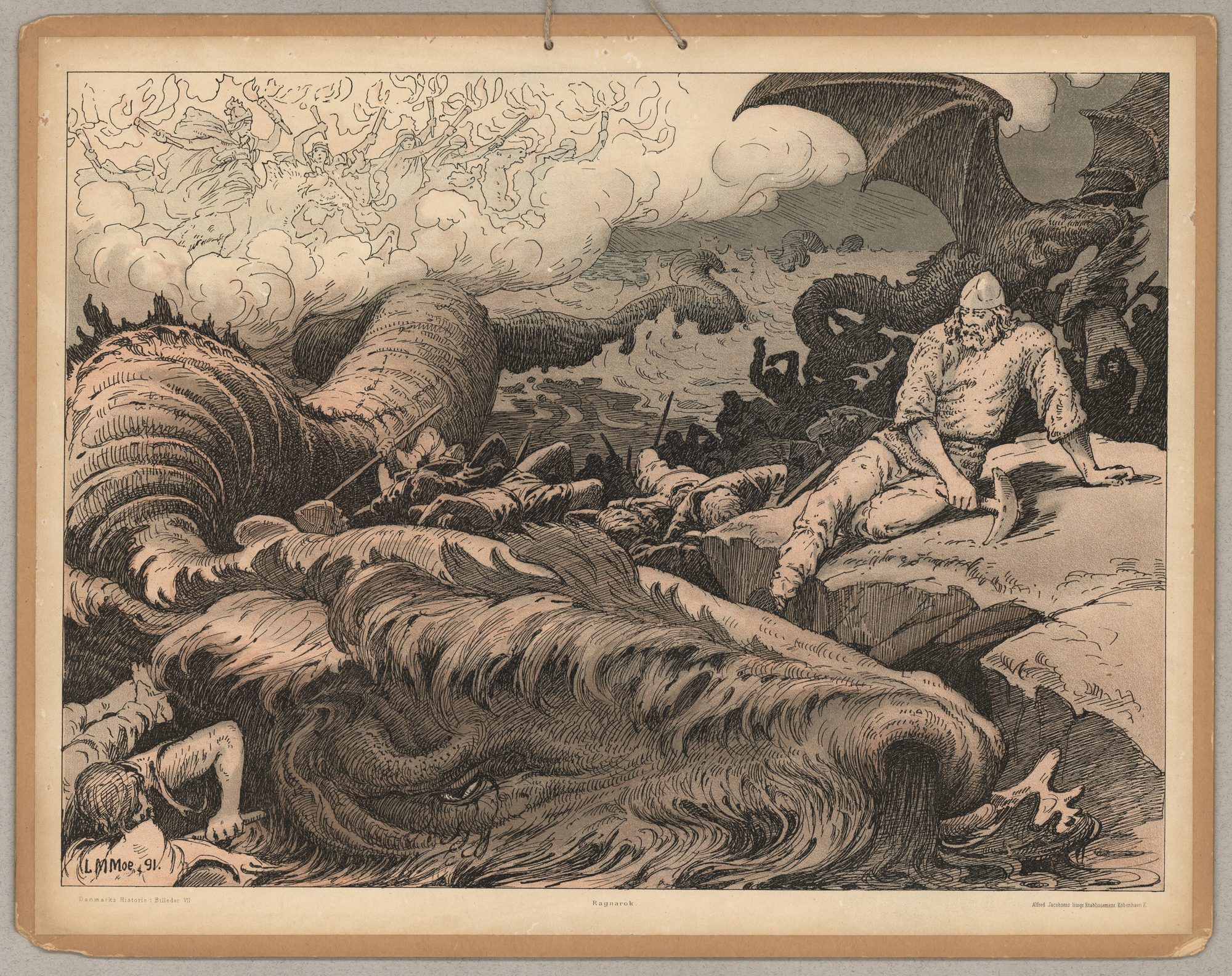
Not a twilight but a doom: the wolf runs free, the serpent floods the land, a ship of dead men's nails breaks loose, and the gods ride knowingly to a battle the prophecy says they cannot win, on a field a hundred miles square.
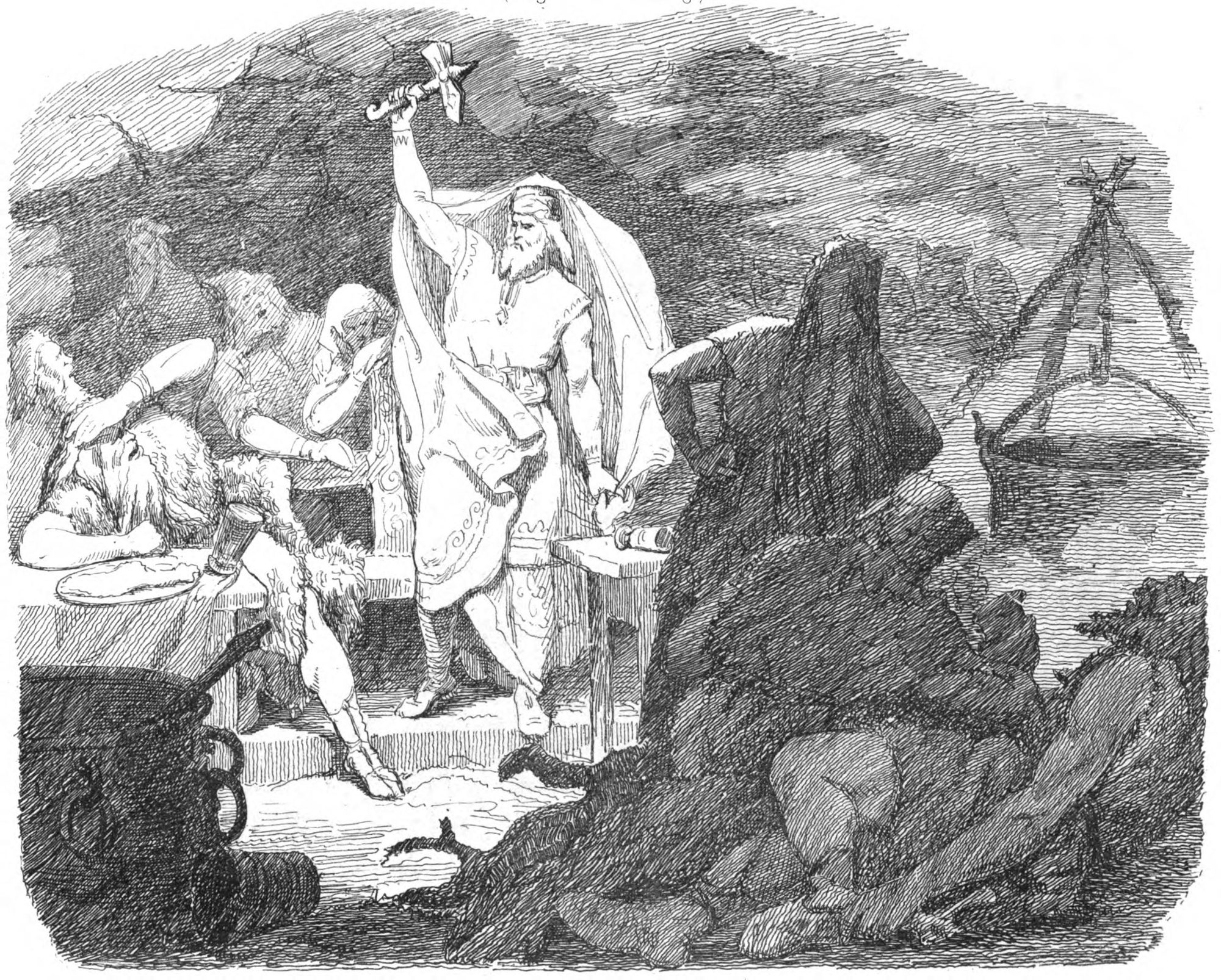
A giant buries the thunder-god's hammer eight leagues down and names his ransom: the goddess Freyja for his bride. So the strongest of the gods is bound into a bridal veil and sent to a wedding he means to end with a killing.
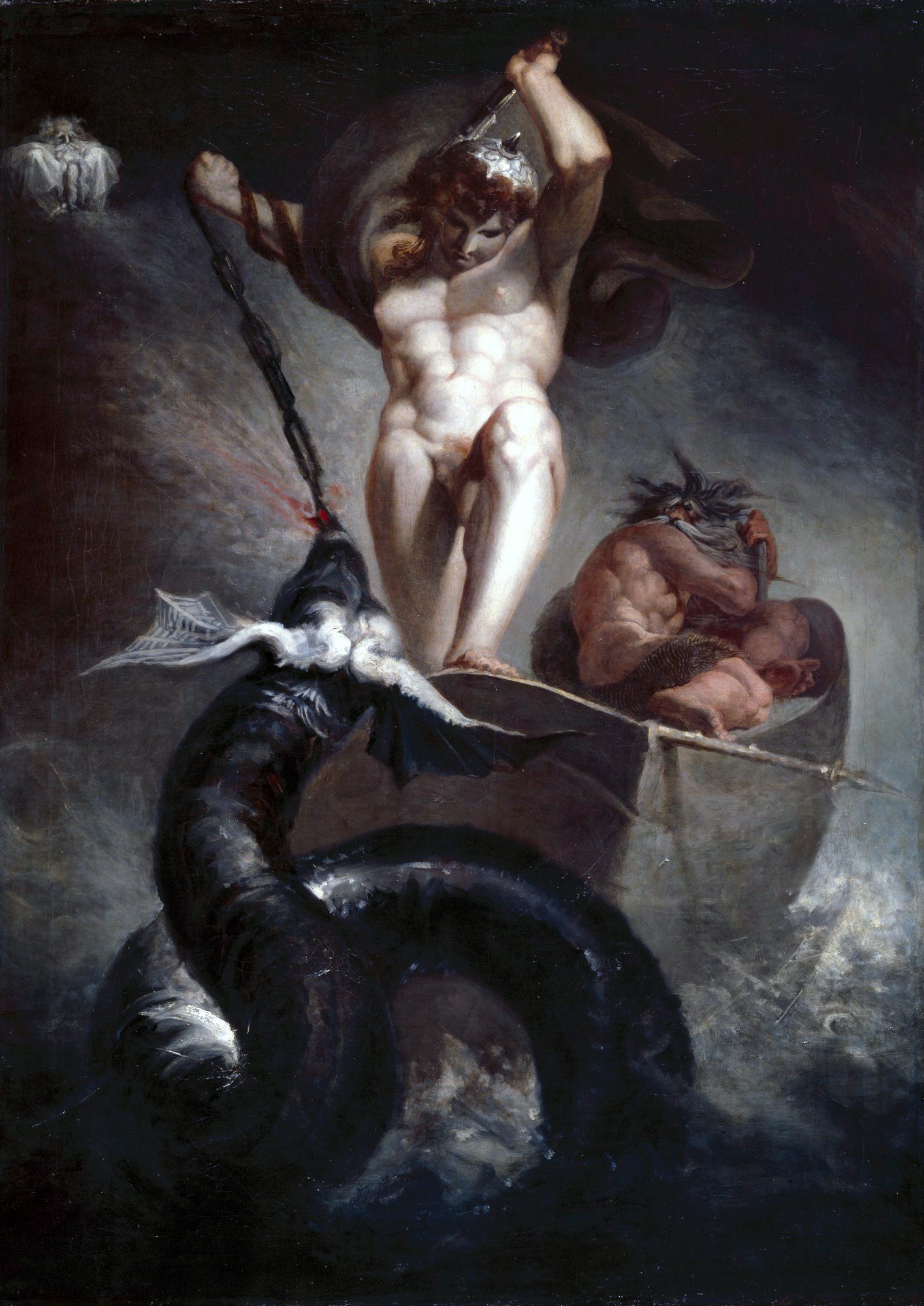
Odin flung a newborn snake into the sea to be rid of a prophecy, and it grew until it ringed the whole earth and bit its own tail: the boundary of the world, and the one foe fated to kill Thor even as Thor kills it.
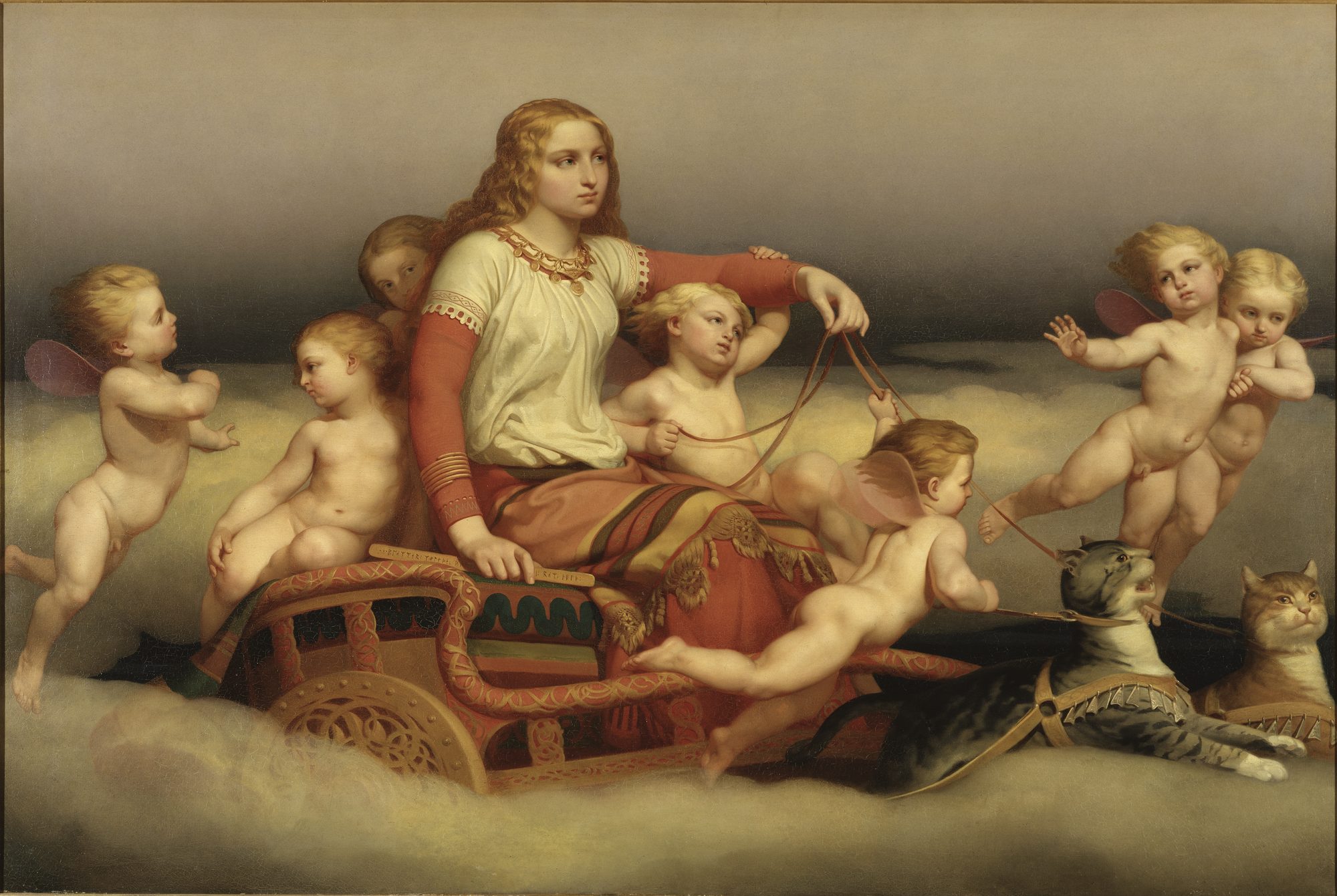
She rides to the battlefield in a chariot drawn by cats and carries home half the slain, weeps red gold for a husband who wandered off, and is the goddess men pray to when they are in love: the strangest and most renowned of the Norse goddesses.
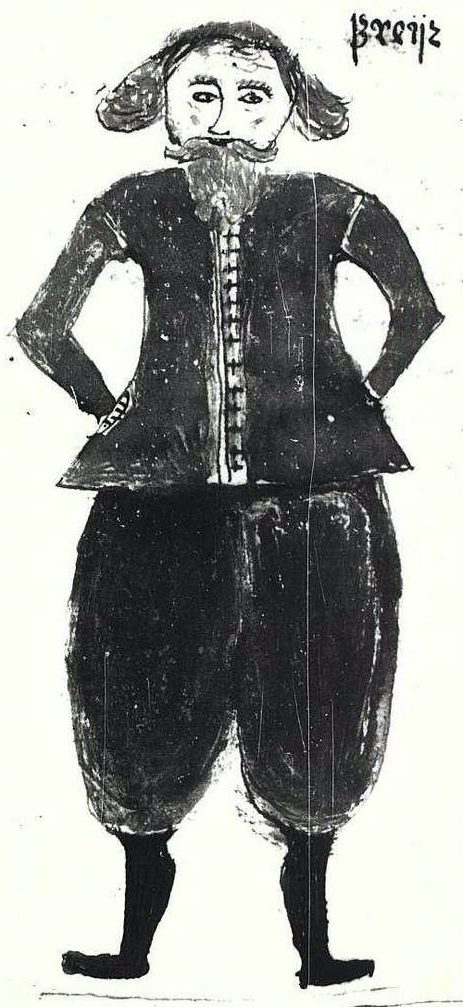
He climbed into a seat that was not his, looked out over all the worlds, and fell so hard for a giant's daughter that he gave away the one sword that could have saved him: the Vanir god of the fruitful season, lord of the elves, and the most renowned of the gods you called on for peace.
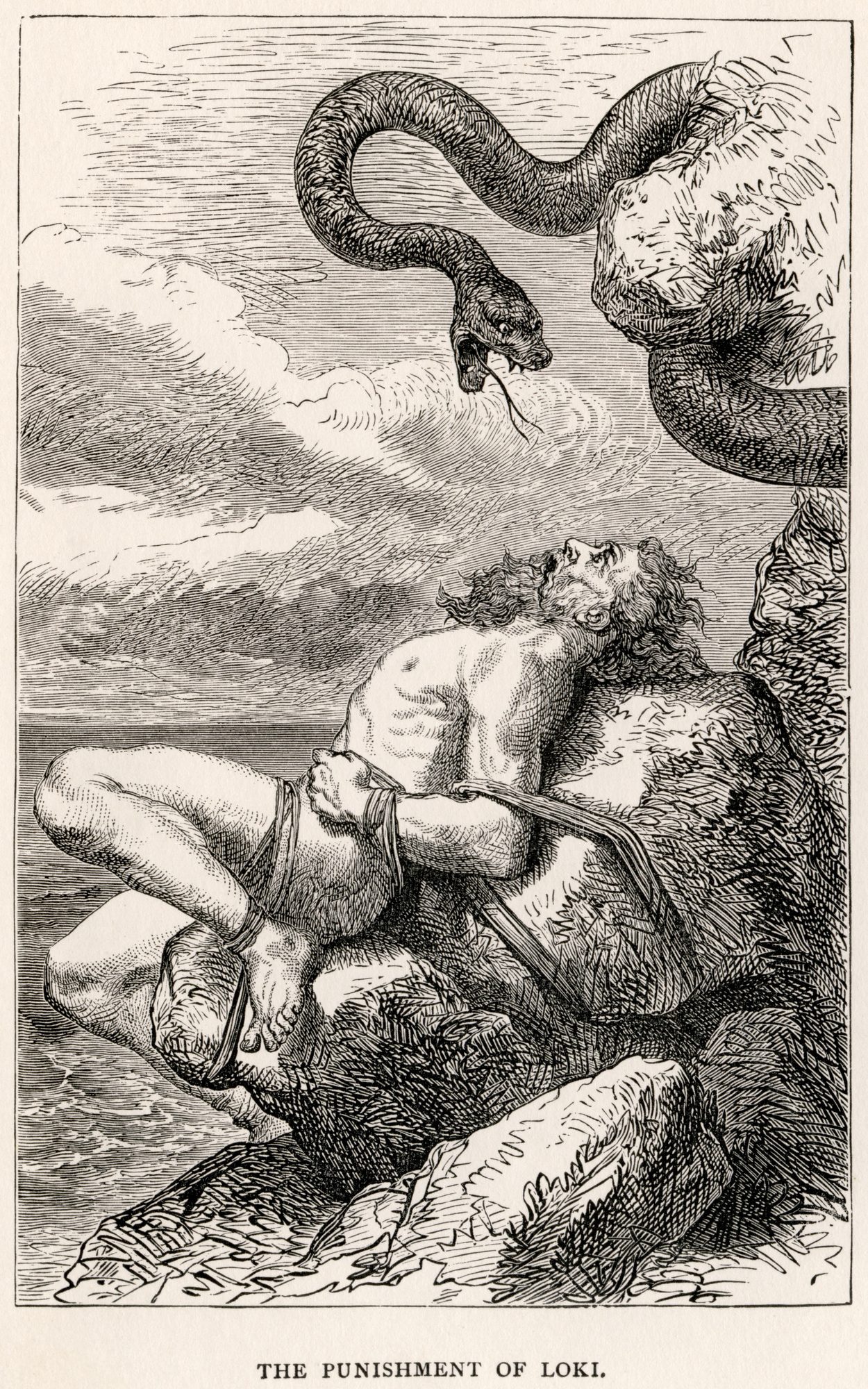
The handsome, fickle mischief-monger of the Aesir who drags the gods into ruin and then, more often than not, is the only one clever enough to haul them back out again.
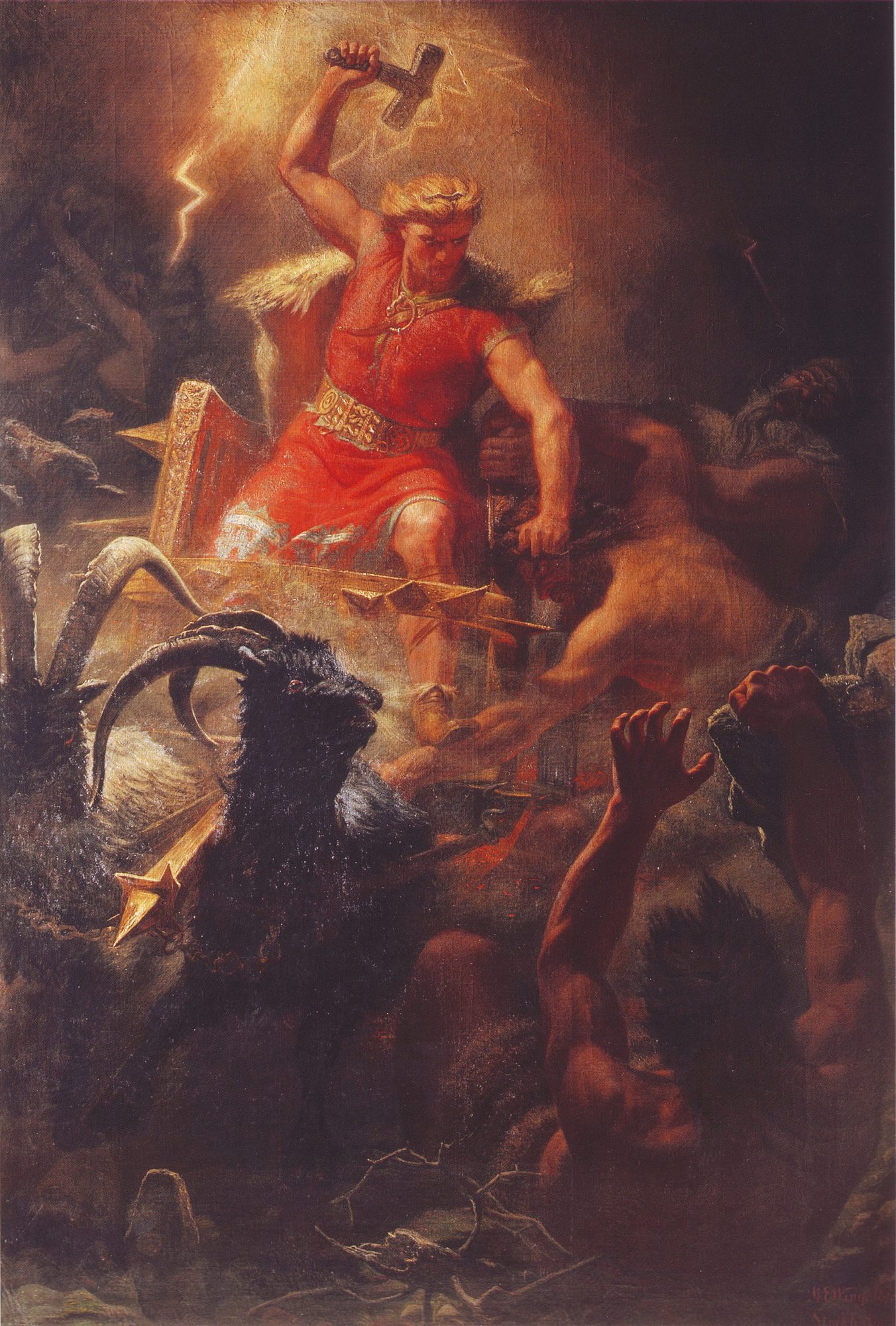
The strongest of the gods wakes to find his hammer gone, and the only way to get it back is to put on a bridal veil: a portrait of the Aesir's giant-killer at his most terrifying and his most absurd.
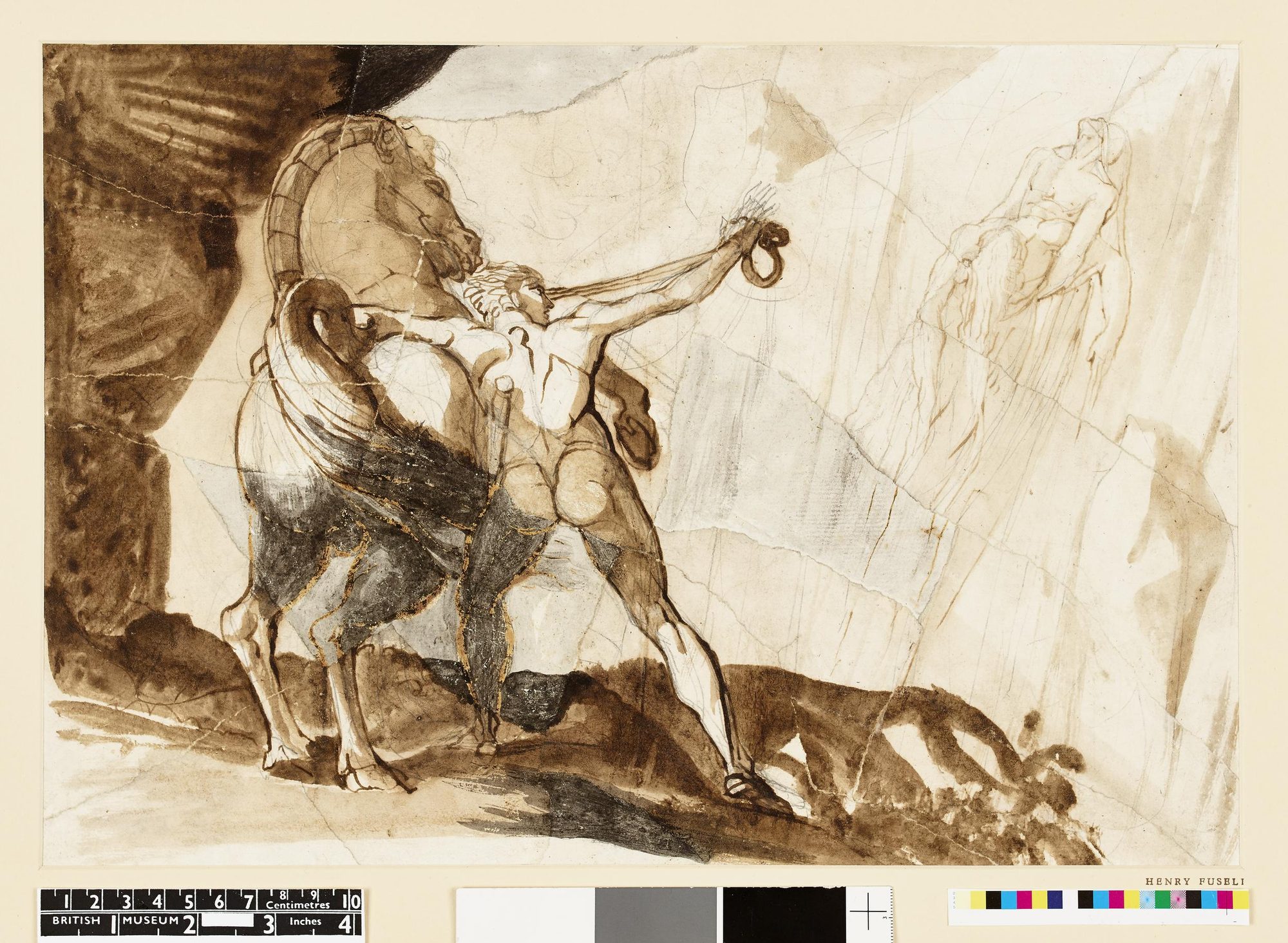
He hanged himself on the world-tree and gave an eye to a well, and in return he took the runes and the deepest draught of wisdom: the god who paid for knowledge in his own flesh.
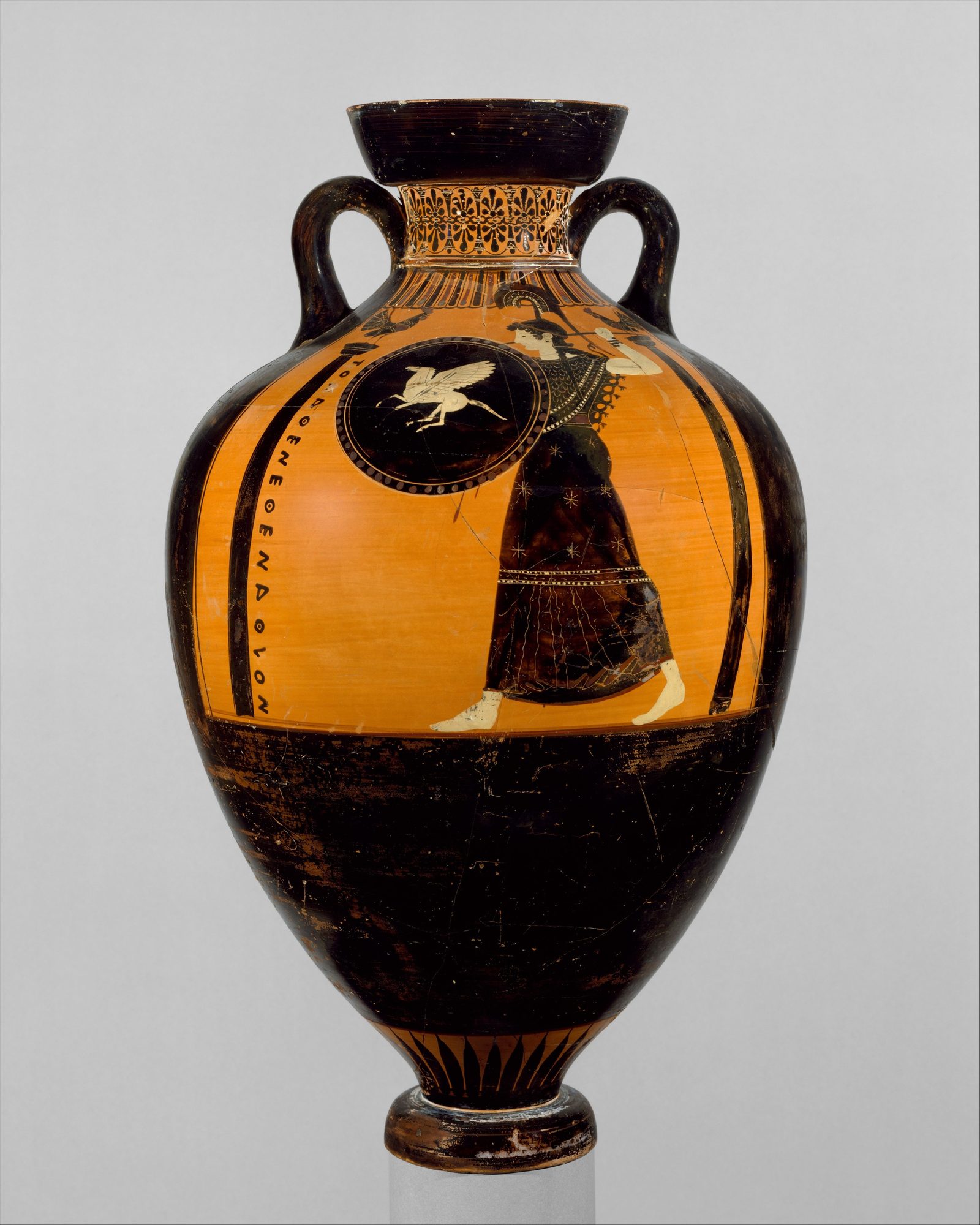
She was born from her father's skull in full armour, spear already levelled, and the whole of Olympus reeled at the sight of a daughter equal to Zeus.
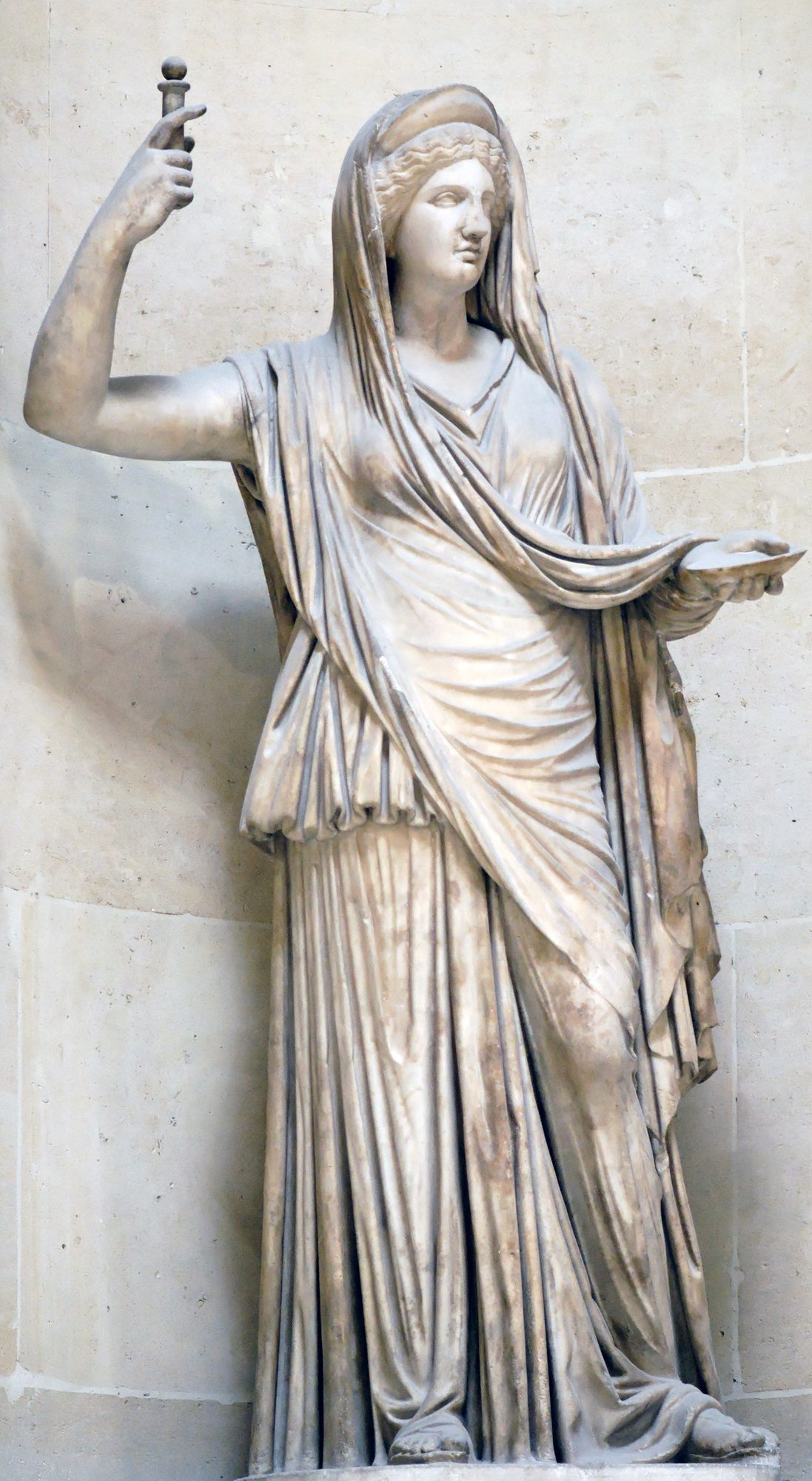
The goddess of marriage who ruled beside Zeus and warred against him in the same breath, dressing for seduction as a strategy of state.
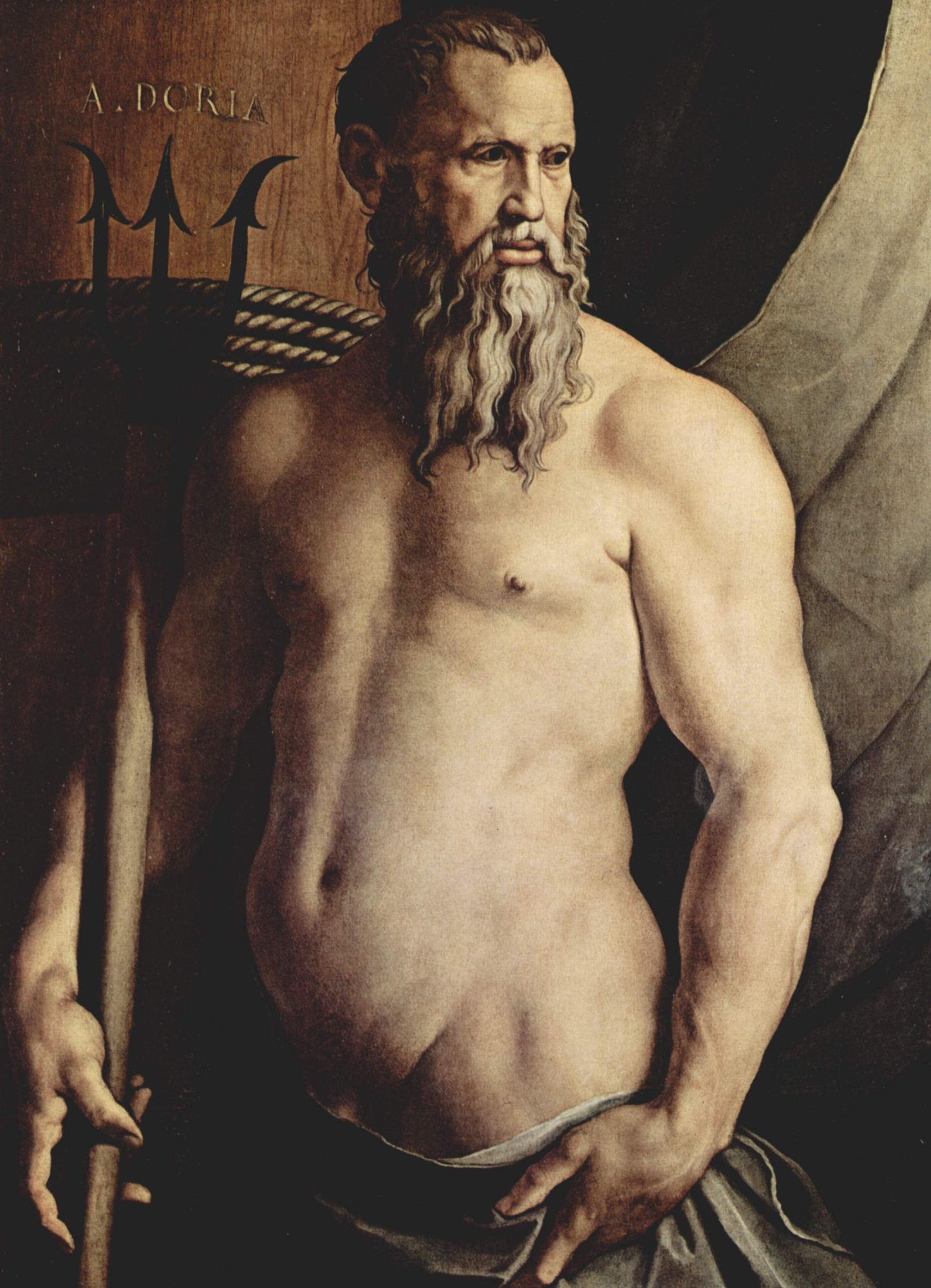
He drew the grey sea by lot and never forgave a slight, splitting rock with his trident to raise storms, drown heroes and shake the earth itself.
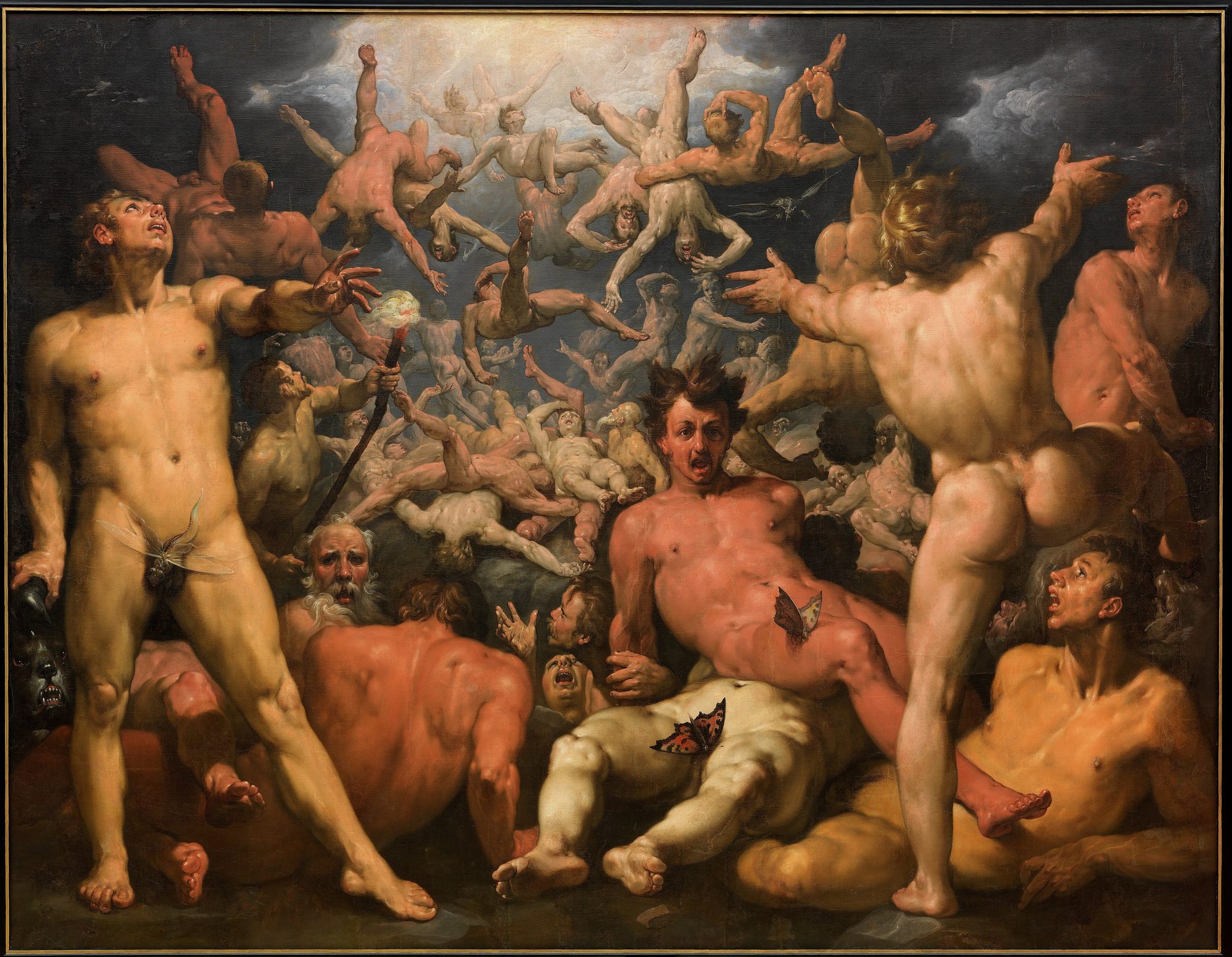
For ten years the sky itself hung in the balance, until Zeus loosed the hundred-armed prisoners of the deep and the world caught fire.
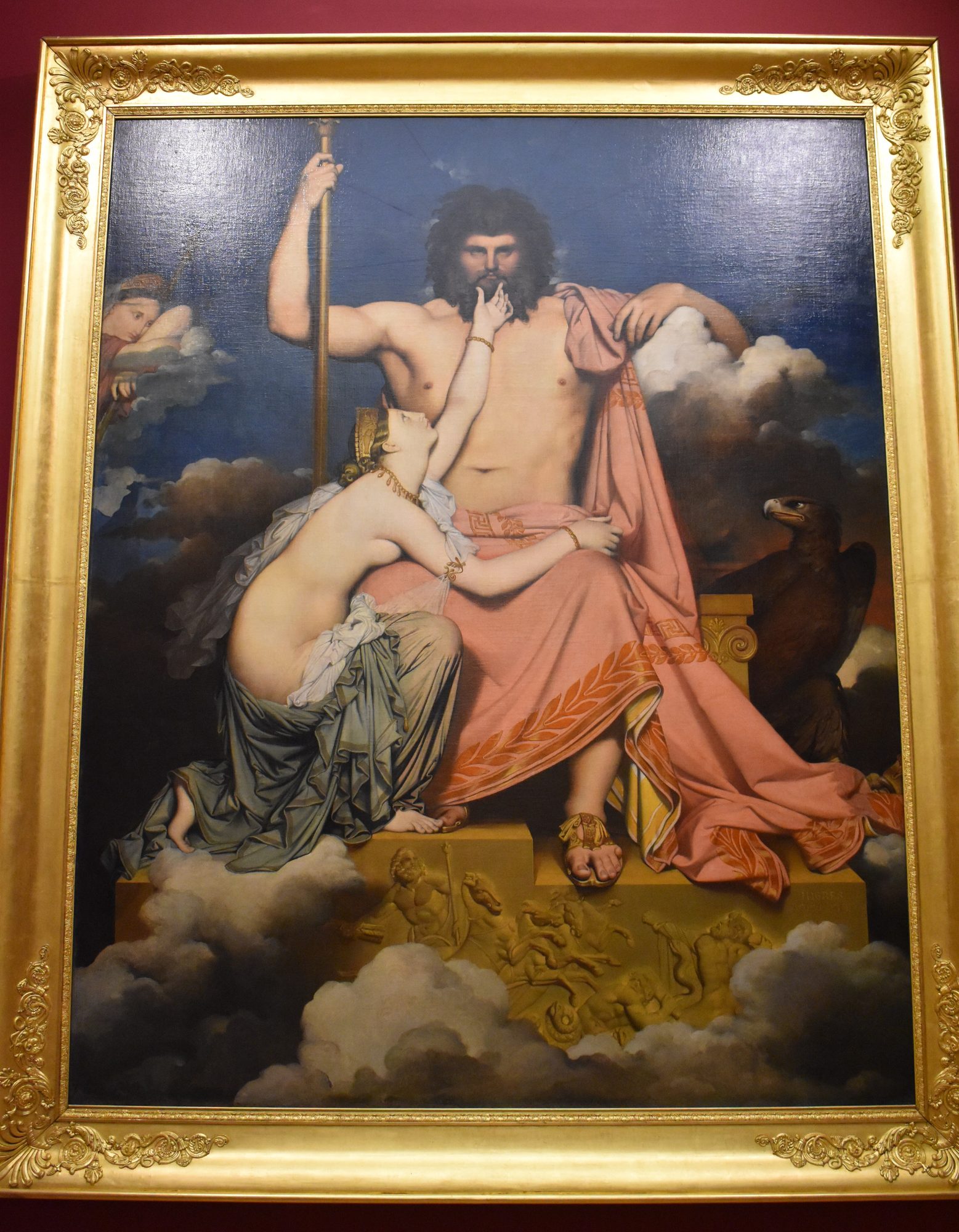
The god who overthrew his father by cunning and force, and then made himself the guardian of oaths.